Smart Pet Gadgets: Which Are Actually Worth It, and Which Are Gimmicks?
A no-hype guide to pet tech: which smart pet gadgets earn their price, and which are overhyped gimmicks like AI translators. Honest, source-backed verdicts.
Published Jun 6, 2026 · 9 min read
As an Amazon Associate, I earn from qualifying purchases. Your price stays the same.
TL;DR
- Worth it for most owners: GPS trackers, smart feeders, pet cameras, and activity/health monitors. Each solves a real, repeatable problem, and we've compared the leading options in depth.
- Mostly gimmick: AI pet translators (no published testing), generic smart toys (novelty), and thin-feature "smart" collars that a microchip and a basic tracker already beat.
- The deciding test: name the problem before the product, add the subscription to the price, and check whether the bold claim has any independent proof.
As an Amazon Associate I earn from qualifying purchases made through links in this guide. It doesn't change the price you pay. This guide is based on manufacturer specifications, veterinary guidance, and published independent reporting, not personal hands-on testing of every device.
Pet tech is no longer niche. The global market hit about $15.6 billion in 2025 and is forecast to reach $52.9 billion by 2035, growing roughly 12% a year (GMInsights). And we're the ones spending it: 62% of pet owners in the US and Europe bought a smart pet device in 2024, up from 49% in 2022 (Research and Markets).
Some of that money is well spent. A lot of it isn't. This guide sorts the landscape into what genuinely earns its price and what's an expensive novelty, with a clear verdict per category and the reasoning behind it.
Quick pick: Tractive DOG 6. Best for escape-prone pets or homes near busy roads when paired with a microchip. See it on Amazon (affiliate link)
How do you tell a worthwhile gadget from a gimmick?
Before any category, here's the filter I use. A smart pet gadget is worth it when it solves a problem you already have, and it can prove its core claim. That's it.
A feeder that drops a measured portion at 6am is mechanically simple. You can watch it work. A collar that claims to translate your dog's emotions with 95% accuracy is making a scientific claim it can't back up. Same price bracket, opposite verdict.
Three questions cut through the marketing every time:
- What problem does it solve? If you can't name the problem before the product, it's a want dressed up as a need.
- What does it really cost? Add two to three years of subscription, not just the sticker price.
- Can the claim be checked? "Dispenses food on a timer" is verifiable. "Reads your pet's feelings" is not.
Which smart pet gadgets are actually worth it?
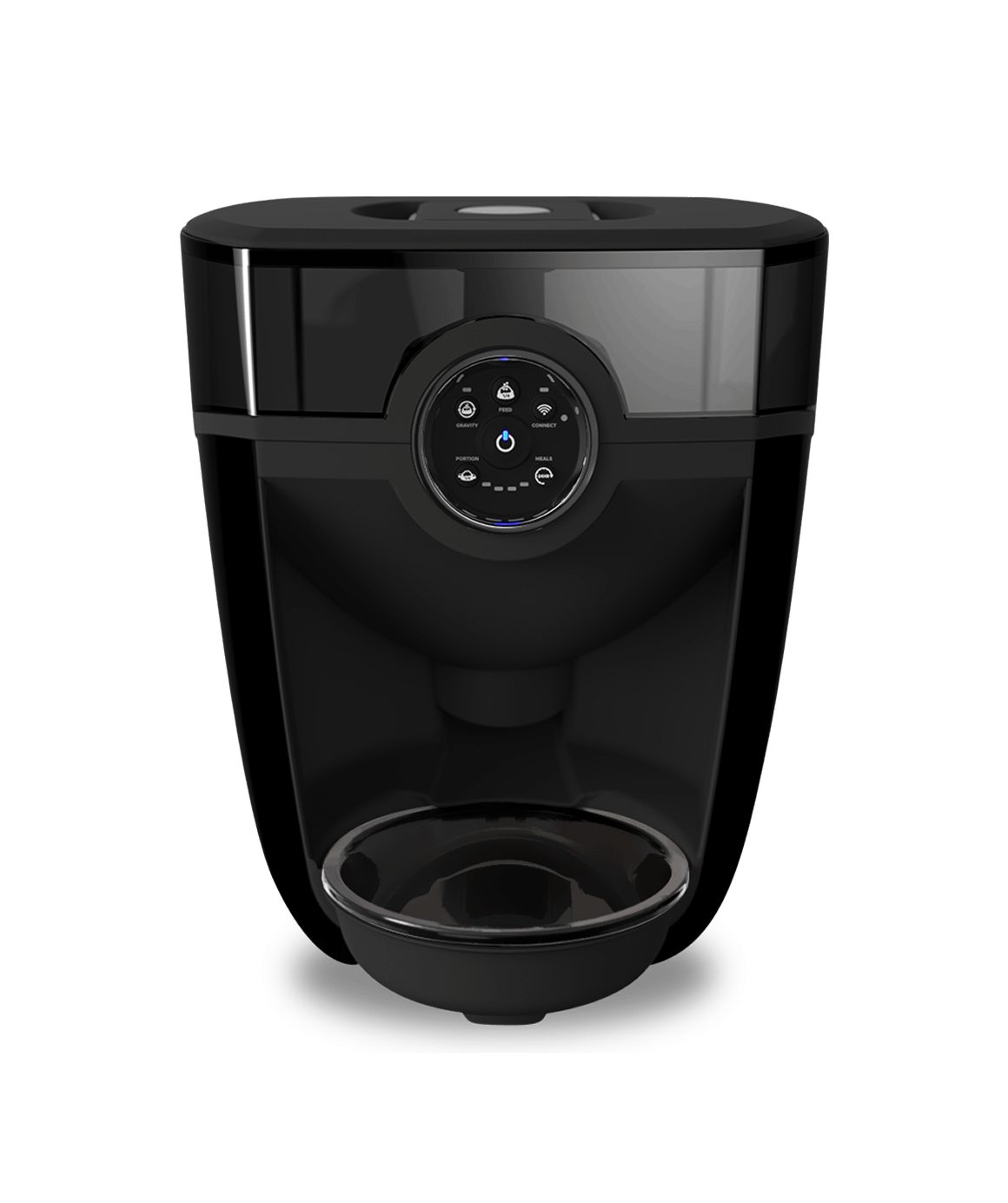

These four solve real, repeatable problems for the right owner. They're also where the spending concentrates: pet wearables alone took 45.3% of the market in 2025 (GMInsights), and automated feeders and GPS trackers lead demand (Research and Markets). I've reviewed the leading options in each, so the links below go to the head-to-heads.
GPS trackers: a yes, with one rule. If your pet escapes or you live near a busy road, real-time location and escape alerts genuinely recover animals. The catch is cost: trackers like Tractive and Fi stop working the day the plan lapses, so the subscription is part of the price. And a tracker is not a substitute for a microchip, more on that below. For the head-to-head on accuracy, battery, and the escape test, see our Tractive vs Fi Series 3 GPS tracker comparison.
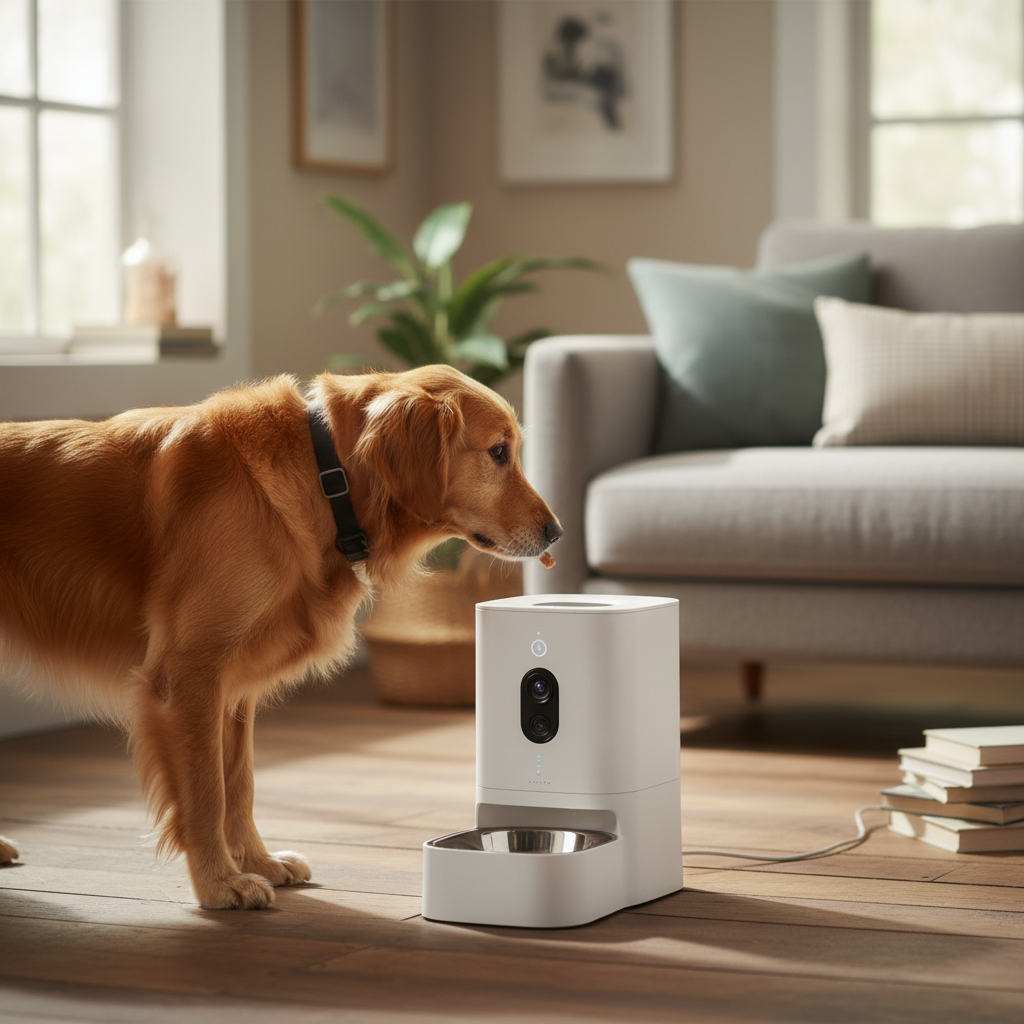
Smart feeders: a clear yes. This is the most defensible category. Consistent, measured portions matter for weight management and for pets on medical diets, and a feeder handles the schedule even when you're stuck in traffic. The features that actually decide reliability are power-failure backup and offline behavior, not app polish. We dig into both in our PETLIBRO vs Whisker feeder-robot comparison, and we break it down by feeding style, wet, dry, or camera, in our guide to the best automatic cat feeder for 2026.
Pet cameras: a yes, with a privacy caveat. For an anxious pet left home alone, a camera with two-way audio and a treat toss is real reassurance, not a toy. The honest trade is that you're streaming video to a company's servers, so cloud storage is a data decision to make on purpose. Our Furbo 360 vs Petcube pet camera comparison covers the video quality, the treat mechanism, and the subscription math.
Activity and health monitors: useful as a trend tool. A tracker turns "is my dog active enough?" into a number you can act on, and consistent weight management is a well-established lever for long-term health (AAHA). The caveat: treat any vitals reading as a trend to watch, not a diagnosis. If a metric shifts and your pet seems off, call your vet. Our best dog activity tracker guide compares the leading options, including one with no subscription at all.
Which pet gadgets are gimmicks you can skip?
Not every blinking device deserves your money. These fail the test above. Either they don't solve a real problem, or they can't prove their headline claim.
AI pet translators: gimmick. This is the clearest case. Devices like the PettiChat collar sell for around $150 and claim 95% accuracy translating your pet's speech. The problem, as Vice put it, is that the "95% accuracy claim comes with no studies, no methodology, no independent testing of any kind" (Vice). Animal-behavior experts say AI can sort sounds into broad categories but cannot extract specific meaning, like "I want the blue toy, not the red one" (The Underbite). You're paying real money for a sophisticated guess.
Generic smart toys: mostly gimmick. Smart toys are the fastest-growing slice of the market at a 15.7% CAGR (GMInsights), but growth isn't the same as value. Most are short-lived novelties your pet ignores after a week. A few app-connected feeders-with-a-game are genuinely useful; the rest rarely beat a durable $10 toy. Buy the occasional one for fun, not as a need.
Thin-feature "smart" collars: overhyped. An expensive collar whose only trick is the thing a microchip and a basic GPS tag already do is paying a premium for redundancy. Which brings us to the single most important point in this guide.
Can a smart collar replace a microchip?
Here's the line to remember on every pet-tech purchase: a microchip is not a GPS device, and no smart collar replaces it. The AVMA is blunt about it. A microchip "is not a GPS device and cannot track your animal if it gets lost"; it's permanent, tamper-proof identification (AVMA).
The numbers explain why it matters. Microchipped dogs are returned to their owners 52.2% of the time versus 21.9% without a chip; for cats it's 38.5% versus 1.8% (AVMA). A GPS tracker is a fantastic active layer on top of that baseline. It is not the baseline. A tracker can fall off, run flat, or lose signal; a registered chip can't. Keep both, and keep the chip's registration current.
Worth it vs gimmick: the decision table
Here's the whole guide in one view. Skim this if you read nothing else.
| Category | Verdict | Buy it when |
|---|---|---|
| GPS trackers | Worth it | Pet escapes or roams near traffic |
| Smart feeders | Worth it | Scheduled meals or a medical diet |
| Pet cameras | Worth it | Anxious pet left home alone |
| Activity monitors | Worth it | You want exercise as a number |
| AI pet translators | Gimmick | Never (no proof) |
| Generic smart toys | Mostly gimmick | Cheap fun, not a need |
| Thin "smart" collars | Overhyped | A chip plus basic GPS is better |
Every "worth it" row carries a subscription or privacy trade-off, so check the linked review before buying. "Gimmick" means the claim isn't backed by independent testing, not that it can't be fun.
The pattern is clear. The worth-it gadgets all answer a concrete, recurring problem and can prove what they do. The gimmicks lean on a bold claim with nothing behind it, or solve a problem you didn't have.
So which one should you buy first?
If you're starting from zero, don't buy four devices at once. Buy the one that matches your biggest worry.
- Escape-prone pet or busy road: start with a GPS tracker, paired with a microchip. The Tractive DOG 6 is the mainstream LTE pick; budget for the plan, because the hardware stops locating without one.
- You travel or have a strict feeding schedule: start with a smart feeder. The Whisker Feeder-Robot is the one built for the failure that matters: it keeps running its stored schedule with no Wi-Fi, and retries a jammed cycle instead of silently skipping a meal.
- Anxious pet, long days alone: start with a camera. The Furbo 360 is the reference two-way-audio-plus-treat model; the trade is a cloud subscription for video history.
- You just want to keep your pet at a healthy weight: start with an activity monitor. PitPat 2 is the value pick and the only one here with no subscription: steps, distance, and calories for under $50. The trade is that it has no GPS, so it measures activity, it does not find a lost pet.
Skip the translator. Skip the collar that only duplicates a chip. And treat smart toys as the occasional treat they are, not a category you need to own.
Bottom line: Smart pet tech is worth it when it solves a problem you already have and can prove its core claim. That's GPS trackers, feeders, cameras, and activity monitors, each compared in depth in our reviews above. It's a gimmick when it sells a bold promise with no testing behind it, like AI pet translators. Add the subscription to the price, keep the microchip no matter what, and buy the one device that fixes your real worry first.
How we research: This guide is based on manufacturer specifications, published independent reviews, and verified-buyer feedback, not hands-on testing.
New pet-tech reviews land every week
One email a week with the newest review and the gear pet owners are actually buying. No spam, unsubscribe anytime.