health-monitors
Miglior Activity Tracker per Cani (2026): Fi vs Tractive vs PitPat, Confronto Sincero
Fi Series 3, Tractive e PitPat 2 (senza abbonamento) a confronto su passi, sonno, metriche sulla salute e costi reali a due anni — basato su schede tecniche ufficiali e recensioni.
Pubblicato il 2026-06-06 · 8 min di lettura
Disclosures
Affiliate links + health guidance. Informational only — consult your veterinarian and check manufacturer specs before relying on any pet-health feature.
TL;DR
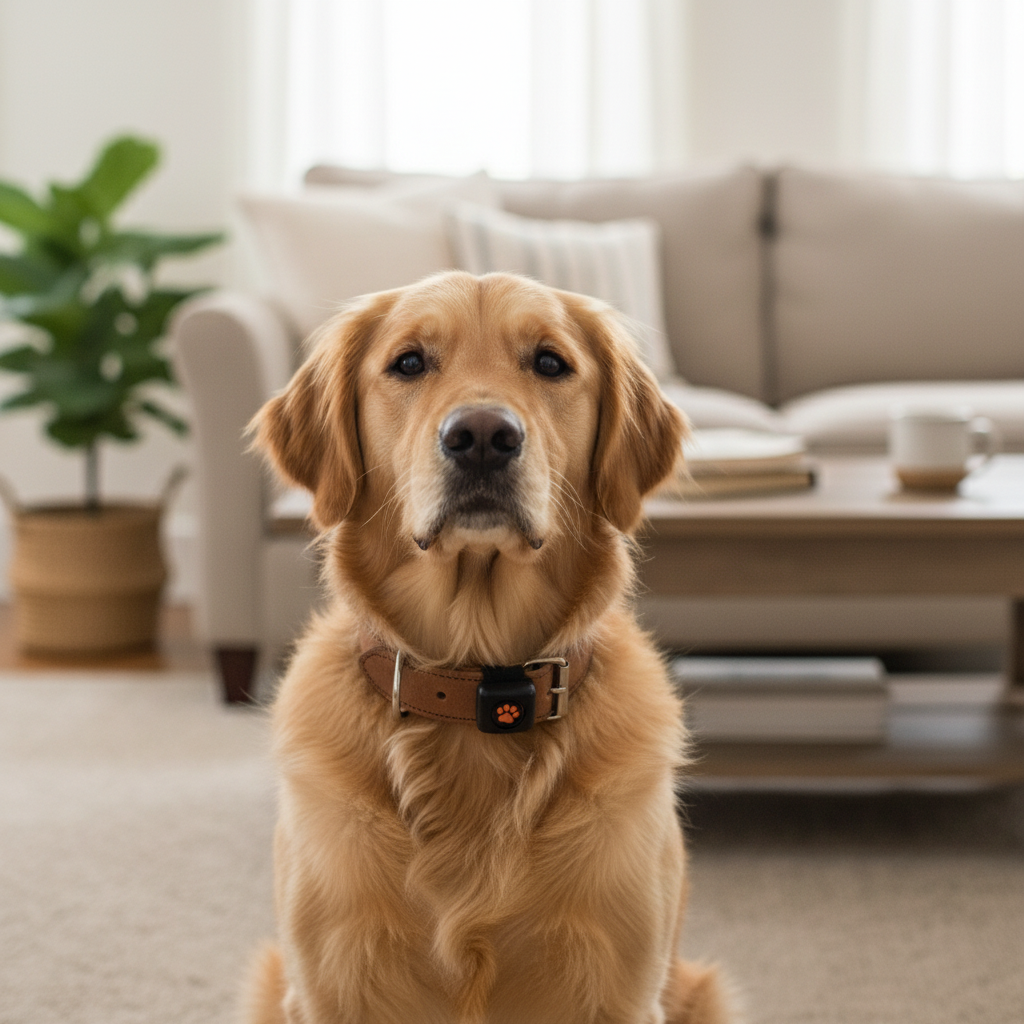
- Tractive è la scelta più completa: attività, sonno, più frequenza cardiaca e ritmo respiratorio a riposo, e funge anche da localizzatore GPS globale. Ideale per chi vuole salute e posizione in un solo dispositivo.
- Fi Series 3+ è il migliore per cani di taglia grande e molto attivi: settimane di autonomia, un collare infrangibile integrato e un eccellente tracciamento di passi e sonno, anche se manca il sensore cardiaco.
- PitPat 2 è la scelta economica e l'unico senza abbonamento: passi, distanza e calorie per meno di $50, niente GPS, nessun canone mensile.
Come affiliato Amazon, ricevo un guadagno dagli acquisti idonei effettuati tramite i link in questa recensione. Questo non cambia il prezzo che paghi. Questa guida si basa sulle specifiche dei produttori e su recensioni indipendenti pubblicate, non su test pratici personali di ogni dispositivo. Le sezioni sulle metriche della salute citano linee guida veterinarie e hanno scopo puramente informativo, non sostituiscono il parere del veterinario.
Un activity tracker per cani è la via più semplice per entrare nel mondo del monitoraggio intelligente della salute ed è da qui che partono la maggior parte dei padroni. La promessa è chiara: trasformare il "il mio cane fa abbastanza esercizio?" in un numero che puoi controllare dal telefono. Il problema è che sul mercato ci sono tre prodotti molto diversi che portano tutti la stessa etichetta, ma con prezzi e caratteristiche pensati per utenti completamente diversi.
Ho analizzato a fondo le specifiche dei produttori e le recensioni disponibili per i tre modelli che valgono davvero la pena comprare nel 2026: il Fi Series 3+, il localizzatore e monitor della salute Tractive, e il PitPat 2. Una piccola nota prima di iniziare, perché il settore ha subito una grossa scossa lo scorso anno.
Cosa è successo a Whistle (e dov'è finito Garmin)?
Se hai cercato tracker per cani fino a un anno fa, ti sarai imbattuto in Whistle ovunque. Ora è praticamente scomparso. Tractive ha acquisito Whistle da Mars Petcare il 28 luglio 2025 e sta trasferendo gli utenti sulla propria piattaforma (comunicato stampa Tractive). Quindi, se un articolo consiglia ancora il "Whistle GO Explore", salvalo: comprare un prodotto ormai discontinuato è il modo migliore per ritrovarti con un tracker senza più aggiornamenti o supporto dell'app.
E Garmin? Garmin produce localizzatori GPS per cani eccellenti, ma si tratta dei sistemi Alpha e Astro pensati per i cani da caccia a grande distanza, non per il fitness quotidiano di un cane domestico (dispositivi per cani sportivi Garmin). Questi dispositivi costano centinaia di dollari e non offrono cruscotti per passi e sonno. Per la normale domanda "quanto si è mosso il mio cane?", i tre che seguono sono la vera lista dei migliori.
Fi Series 3+: il dispositivo indossabile indistruttibile per cani grandi e attivi
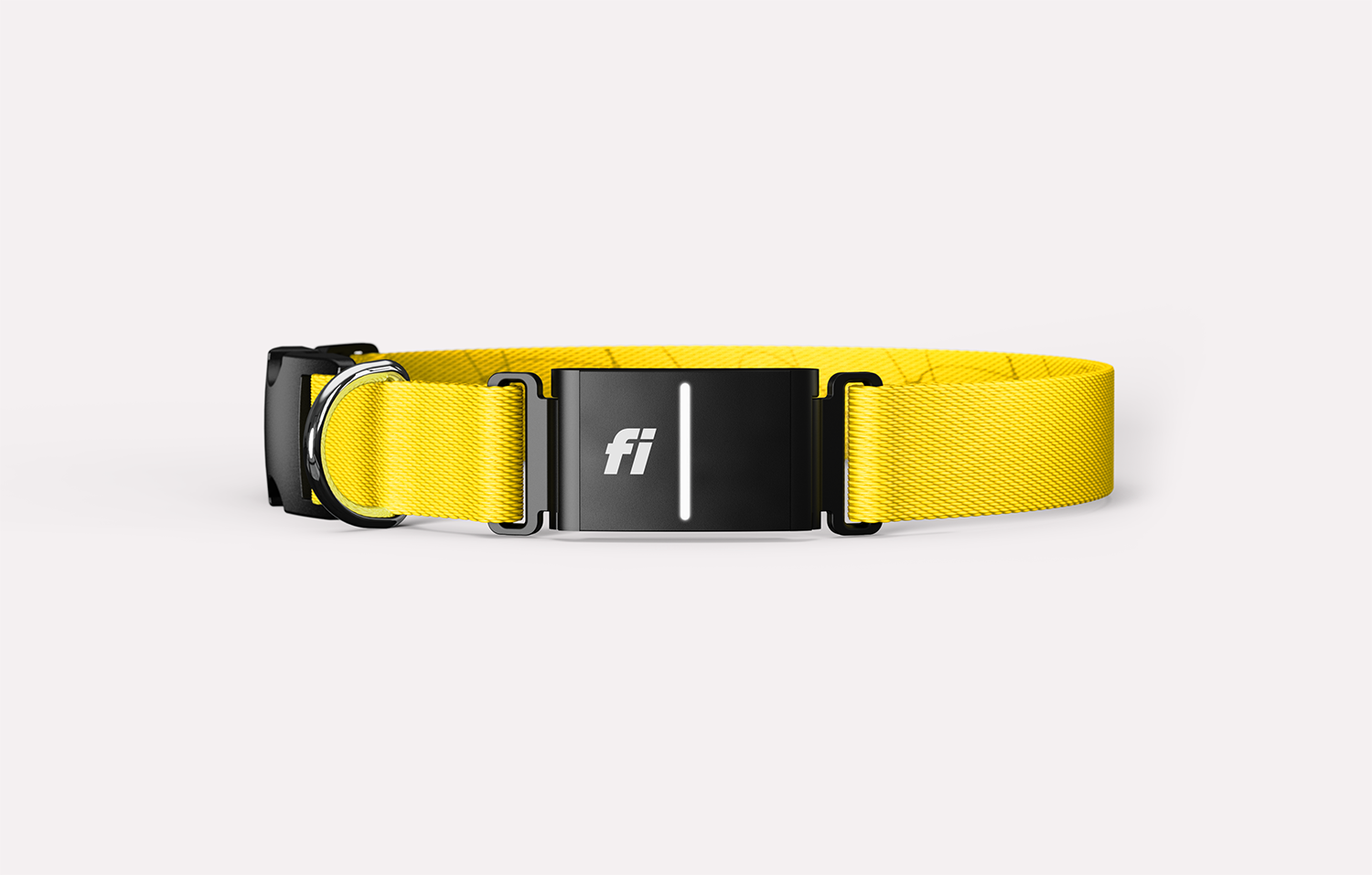
Fi è integrato direttamente nel collare, non si aggancia. Questo è il cuore del suo design. La Series 3 utilizza una struttura in acciaio inossidabile che regge fino a 500 libbre di forza statica, con una classificazione di impermeabilità IP68, quindi anche un cane molto forte non potrà farlo cadere o masticarlo (recensione di Smart Pet Gear Lab).
Per quanto riguarda l'attività, Fi traccia i passi giornalieri con obiettivi specifici per razza, la distanza per passeggiata e per giorno, e la durata e la qualità del sonno. Aggiunge anche un tocco sociale che ti permette di confrontare l'attività del tuo cane con quella di cani simili, il che è più divertente che clinico. Quello che non ha, però, è un sensore per il battito cardiaco, quindi è un tracker per l'attività e il sonno, non un monitor dei segni vitali.
Il punto forte è la batteria. Fi dura dalle 4 alle 8 settimane tra una ricarica e l'altra per un cane che sta per lo più a casa, scendendo a 1-2 settimane con un uso intensivo all'aperto e solo 1-3 giorni se il cane scappa e si attiva la modalità "Cane Smarrito" (recensione di Smart Pet Gear Lab). Un limite: Fi richiede un peso minimo del cane di 11,5 lb, quindi non è adatto a razze in miniatura o ai gatti. L'hardware parte da $99 e l'inserzione su Amazon include un abbonamento di 12 mesi.
Tractive: il monitor per la salute più completo (con GPS globale)
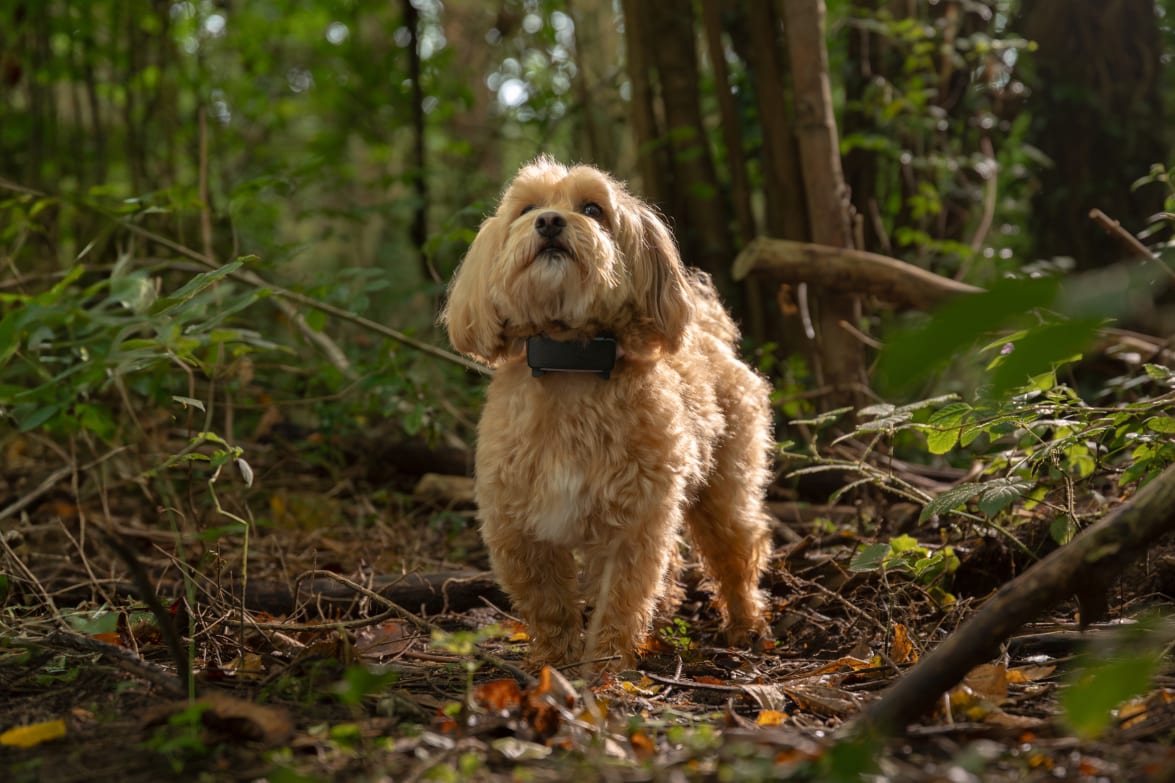
Tractive è l'unico che legge davvero i segni vitali. Oltre ai minuti attivi, alla qualità del sonno e alle calorie, ora misura la frequenza cardiaca e il ritmo respiratorio a riposo, un'esclusiva che l'azienda publicizza come una prima nel settore dei GPS e della salute per animali (comunicato stampa Tractive). È anche un localizzatore GPS in diretta che funziona in oltre 175 paesi, raddoppiando di fatto come polizza assicurativa contro la perdita del cane.
Il dispositivo a clip DOG 6 pesa circa 39 g ed è impermeabile con standard IP68, con un'autonomia che arriva fino a due settimane usando le Power Saving Zones, o di circa sei giorni senza (specifiche prodotto Tractive). Si attacca al collare che il tuo cane usa già, quindi non devi comprare accessori particolari.
Una premessa importante sulla salute: la frequenza cardiaca o il ritmo respiratorio a riposo rappresentano una base di partenza per notare i cambiamenti, non una diagnosi. Il valore sta nell'accorgersi che il ritmo di riposo della settimana scorsa è diverso da quello di questa, per poi consultare il veterinario. Non trattare un singolo numero come un verdetto. Se vuoi le funzioni di frequenza cardiaca e respiratorie, dovrai scegliere il piano Premium superiore, non il semplice livello GPS. Se stai valutando Tractive rispetto a Fi principalmente per il GPS e gli avvisi di fuga, ti consigliamo di dare un'occhiata al nostro confronto approfondito Tractive vs Fi Series 3.
PitPat 2: la scelta economica senza abbonamento
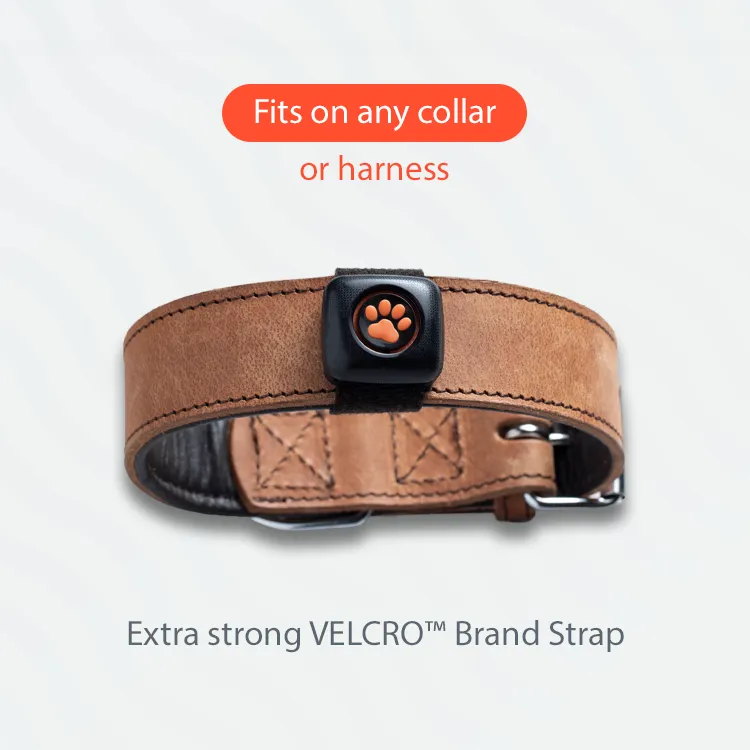
PitPat è il dispositivo che compri una volta e poi ti scordi della bolletta. È un piccolo tag con accelerometro che si aggancia a qualsiasi collare, senza GPS e, cosa fondamentale, senza abbonamento (PitPat activity monitor). L'app di base traccia passi, distanza e calorie bruciate gratuitamente, per tutta la vita del dispositivo. C'è un abbonamento a pagamento opzionale chiamato PitPat LIFE, ma non sei minimamente obbligato a prenderlo.
Suddivide il movimento in cinque categorie di attività: camminata, corsa, gioco, movimento leggero e riposo, usando un accelerometro a 3 assi che campiona i dati 24 ore su 24 e li classifica ogni 10 minuti (PitPat activity monitor). I compromessi ci sono eccome: l'assenza di GPS significa che non può localizzare un cane smarrito, e non assegna un punteggio al sonno né legge i segni vitali. Tuttavia, funziona per circa un anno con una batteria a bottone sostituibile senza mai essere ricaricato, costa meno di $50 e ha una media di 4,1 stelle su ben 2.010 recensioni su Amazon (PitPat 2 su Amazon).
Il confronto su ciò che conta davvero
Ecco il testa a testa. Nota che è nelle colonne GPS e Salute che si nasconde la vera differenza di prezzo.
| Funzionalità | Fi Series 3+ | Tractive | PitPat 2 |
|---|---|---|---|
| Attività (passi/distanza) | Sì | Sì | Sì |
| Tracciamento del sonno | Durata + qualità | Qualità + avvisi | No |
| Frequenza cardiaca / ritmo respiratorio | No | Sì (a riposo) | No |
| Localizzazione GPS | Sì | Sì (175+ paesi) | No |
| Durata della batteria | 4-8 settimane | fino a ~2 settimane | ~1 anno (batteria a bottone) |
| Prezzo hardware | $99 | ~$50-75 | meno di $50 |
| Abbonamento | Richiesto | Richiesto | Nessuno |
Prezzi aggiornati a giugno 2026, approssimativi e in USD; i piani Tractive vengono fatturati in EUR e poi convertiti, e tutti e tre fanno offerte promozionali, quindi verifica i prezzi attuali prima dell'acquisto.
La tendenza è chiara. PitPat vince sul prezzo e sull'assenza di costi ricorrenti, ma offre meno funzioni. Fi vince per resistenza e autonomia della batteria. Tractive fa la parte più grande, includendo gli unici dati sulla frequenza cardiaca, ma paghi un abbonamento per questo privilegio.
Il costo reale a due anni
Il prezzo di listino qui inganna, perché due su tre continuano a farti pagare. Nel giro di due anni il divario si assottiglia o si capovolge completamente.
- PitPat 2 — meno di $50, poi $0. Il costo a due anni resta sotto i $50.
- Tractive — circa $50-75 per l'hardware più il piano; il livello Premium (con funzionalità per la salute) costa circa $144 in due anni opzione biennale prepagata, quindi parliamo di circa $200-220 in totale (piani Tractive).
- Fi Series 3+ — $99 per l'hardware, più un abbonamento biennale prepagato a $234, il che fa all'incirca $300+ in due anni.
In sintesi: Se vuoi solo sapere che il tuo cane si muove abbastanza, PitPat 2 lo fa per meno di $50 senza canoni mensili. Se cerchi parametri vitali e GPS globale in un unico dispositivo, Tractive è il tracker più completo e offre un rapporto qualità-prezzo migliore rispetto a Fi. Fi Series 3+ vale il suo prezzo pieno solo per cani grandi, energici e con tendenza alla fuga, che necessitano di un collare indistruttibile e settimane di autonomia.
Gli activity tracker tengono davvero il cane più in salute?
In modo indiretto, sì. Il meccanismo onesto è il controllo del peso. Un'attività quotidiana costante e misurata è uno degli strumenti per mantenere il peso forma di un cane, elemento che la American Animal Hospital Association considera fondamentale per la salute a lungo termine. Un tracker non rende il tuo cane più sano per magia; rende semplicemente visibile il divario tra "penso che si muova abbastanza" e "questa è la sua distanza giornaliera reale", permettendoti di correggere il tiro.
Due limiti da tenere a mente. Primo, le metriche sulla salute sono strumenti per leggere le tendenze, non diagnostiche: un cambiamento nella frequenza cardiaca a riposo è un buon motivo per chiamare il veterinario, non per fare autodiagnosi. Secondo, un activity tracker non sostituisce l'identificazione. La American Veterinary Medical Association continua a raccomandare il microchip registrato come sistema base per ritrovare un cane smarrito, visto che un collare può staccarsi o scaricarsi. Tieni il microchip; considera il tracker come un livello di sicurezza in più.
Una nota sui dati del tuo cane
Tutte e tre le app raccolgono dati sull'attività, e i due modelli GPS raccolgono anche la posizione 24 ore su 24. Questo significa che la cronologia di dove va e cosa fa il tuo cane finisce sui server dell'azienda. Vale sempre la pena dedicare un minuto per controllare le impostazioni dei dati e le opzioni di condivisione di ogni app prima di buttarti, proprio come faresti prima di comprare una videocamera per animali che trasmette in streaming. La comodità ha un prezzo; sappi sempre cosa stai cedendo in cambio.
Il verdetto, la nostra scelta
Per la maggior parte dei padroni che vogliono un dispositivo unico che faccia tutto, Tractive è la scelta ideale: attività, sonno, frequenza cardiaca a riposo e GPS mondiale, a un costo a due anni inferiore rispetto a Fi.
Se hai un cane grande, forte e con la tendenza a scappare, e hai l'ansia della ricarica, Fi Series 3+ merita il suo prezzo più alto grazie a un collare che non si stacca e settimane di autonomia.
E se vuoi semplicemente sapere se il tuo cane si muove abbastanza senza mai pagare un canone mensile, PitPat 2 è la scelta intelligente ed economica di default, niente GPS, bolletta azzerata, solo i numeri dell'attività.
Qualsiasi cosa tu scelga, abbinalo sempre a un microchip registrato e a un veterinario che conosce il tuo cane. Il tracker è uno strumento per notare i cambiamenti in anticipo. Quello che fai con quelle informazioni resta la parte più importante.