Do Pet Fitness Trackers Actually Help? An Honest, Evidence-First Look
Do pet activity trackers genuinely improve your pet's health, or are they just a feel-good gadget? An honest, vet- and study-backed look at when they help.
Published Jun 7, 2026 · 8 min read
Affiliate links + health guidance. Informational only. Consult your veterinarian and check manufacturer specs before relying on any pet-health feature.
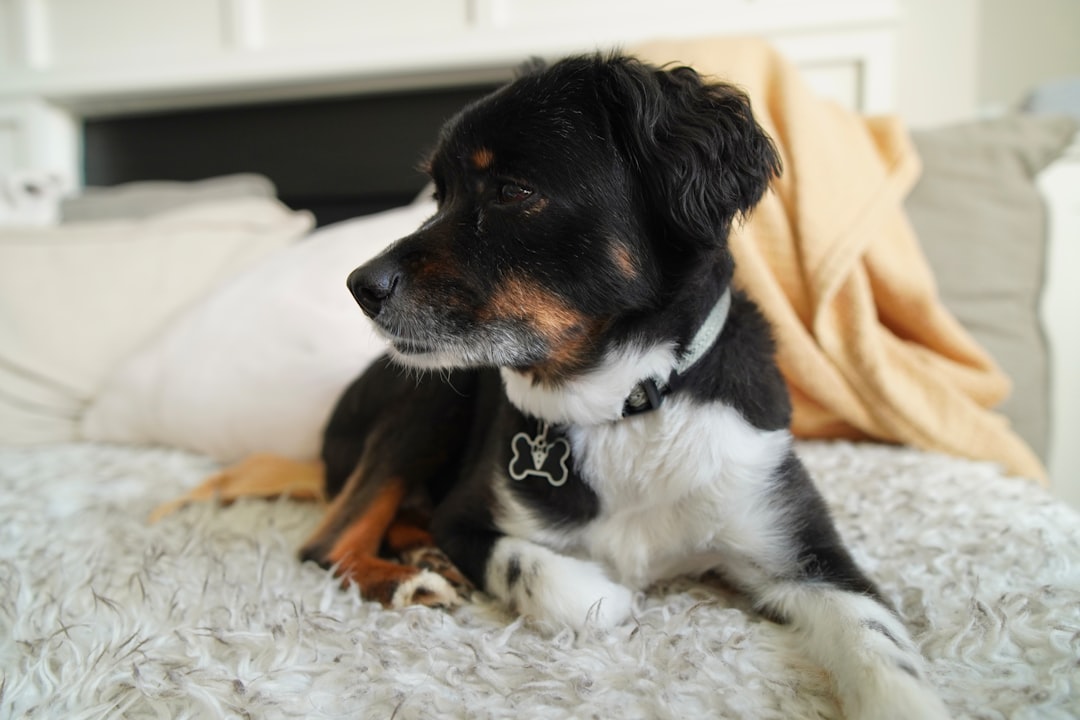
TL;DR
- A pet fitness tracker helps indirectly: it turns a thing you guess about (is my pet active and well?) into a number you can act on. Most owners guess wrong, which is the whole point.
- It genuinely earns its keep for three jobs: catching an early activity drop that flags illness, running a real weight-loss program, and policing rest after surgery.
- It is not a diagnostic, its calorie figure is unreliable, and a tracker you never check changes nothing. Worth it for owners with a specific goal; skippable as a feel-good gadget.
As an Amazon Associate I earn from qualifying purchases made through links in this guide. It doesn't change the price you pay. This guide is based on peer-reviewed studies, veterinary guidance, and manufacturer specifications, not personal hands-on testing. The health sections are general information, not veterinary advice.
A pet fitness tracker promises something appealing: clip a tag on your dog or cat, and suddenly you "know" how healthy they are. Steps, sleep, calories, a tidy graph. The honest question is whether any of that actually improves your pet's health, or whether you're paying for a number that makes you feel like a good owner while changing nothing.
I went through the peer-reviewed studies and the veterinary guidance to answer it straight. The short version: these trackers help, but only for specific jobs and only if you act on what they show. Here's where the evidence holds up and where it falls apart.
Quick pick: PitPat 2. Best for owners who want activity tracking without a subscription or diagnostic claims. See it on Amazon (affiliate link)
What can the data actually tell you?
A fitness tracker can tell you, reliably, how your pet's activity today compares to its own baseline. That's the honest scope. Most use a 3-axis accelerometer to sort movement into activity levels and estimate steps, distance, and sleep. The genuinely useful signal is the trend, not any single figure.
The accuracy is real but context-dependent. In a peer-reviewed validation of the FitBark monitor across 26 dogs, the tracker's activity score correlated strongly with actual movement when dogs were off-leash (r = 0.795 exploring a room, r = 0.758 interacting with a person), but the correlation dropped to r = 0.498 on a leash (Animals, 2021). In plain terms: it's good at free movement, shakier when your dog is walking beside you on a lead.
What it can't do is measure energy precisely. A 2024 study in the American Journal of Veterinary Research tested a tracker's predicted daily energy requirement against measured values in 23 dogs and found "poor agreement," concluding the calorie estimate had "limited clinical and research utility" (AJVR, 2024). So the calorie number on the app? Treat it as decoration. Don't diet your pet on it.
When does a tracker genuinely help?

It helps in three situations where an objective number beats your gut. Each is backed by a real veterinary use case, not marketing.
Catching an early activity drop. Pets hide pain. A subtle, days-long decline in movement can be the first visible sign of illness or a flaring joint, and you may miss it watching day to day. In a 2025 case series of dogs with osteoarthritis, a smart collar flagged 9 clinically relevant health events, and in 8 of them the activity data shifted in step with the problem's onset, treatment, or recovery. In one case, the decline showed up before the owner noticed anything was wrong (Animals, 2025). That early flag, evidenced in the case data, is the strongest argument for a tracker.
Running a real weight-loss program. This is the most defensible job. Up to 59% of dogs and 61% of cats are overweight or obese, yet only about 39% of owners recognize it in their own pet (Association for Pet Obesity Prevention, 2022). That gap, between how active you think your pet is and how active it is, is exactly what a tracker closes. Paired with a vet-set diet, measured activity gives you a number to hold yourself accountable to. Weight management is central to long-term pet health (AAHA).
Policing rest after surgery. After most procedures, vets restrict activity for 7-10 days minimum, often one to two weeks, with no running or jumping that could strain the wound (VCA Animal Hospitals). A tracker turns "he seems calm enough" into evidence, so you can catch a dog that's quietly overdoing it while you're at work.
When is it just a number you'll ignore?
Plenty of cases, and honesty matters here. A tracker is a feel-good gadget, not a health tool, when none of the three jobs above applies.
For a healthy adult dog with no weight or mobility concern, the data is interesting trivia. You'll check it for a week, then stop. The novelty fades fast once there's no question the number is answering. For a typical indoor cat, it's harder still: cats move in short bursts and resist collars, so the data is noisy and tough to act on, and many owners give up reading it within a month. And for any owner who won't actually look at the app or keep the device charged, the tracker logs nothing useful. The bottleneck isn't the hardware. It's whether the number ever changes what you do.
So, helps when or skip when?
Here's the whole verdict in one view. Find your situation.
| Your situation | Helps or skip | Why |
|---|---|---|
| Pet on a vet weight-loss plan | Helps | Objective activity to hold the plan accountable |
| Senior or arthritic pet | Helps | Catches an early activity drop as a vet flag |
| Recovering from surgery | Helps | Confirms rest, flags overexertion |
| Healthy adult dog, no goal | Skip | Interesting data you'll stop checking |
| Typical indoor cat, no goal | Mostly skip | Noisy data, hard to act on |
| Won't check the app | Skip | A tool only the owner can make work |
"Helps" assumes you'll actually review the trend and act on it. The device is only ever half of the system.
How do you read the numbers without fooling yourself?
Three rules keep a tracker honest. First, trust the trend, not the single reading. A resting heart rate or step count drifting week to week is a prompt to call your vet, not a diagnosis you make from your couch. The American Veterinary Medical Association treats wearables as a layer on top of proper care, and notes a device can fall off or run flat, so it never replaces a vet or a registered microchip (AVMA).
Second, ignore the calorie figure and lean on relative activity instead. Third, build a baseline first. Researchers recommend establishing each pet's individual normal before reading anything into a change, because a "low" day for a couch-loving senior is a different thing than for a working dog (Animals, 2021).
The verdict, and our pick
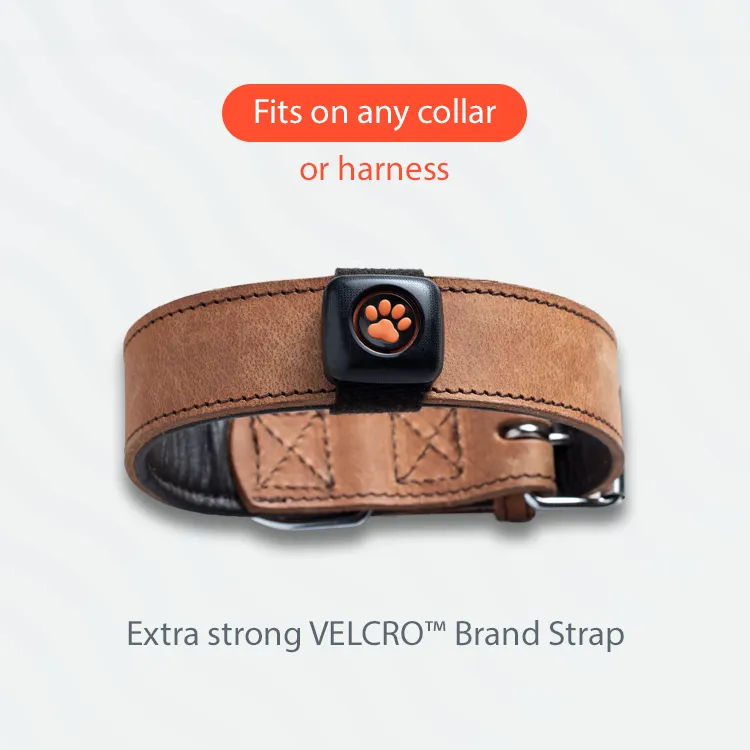
Bottom line: A pet fitness tracker is worth it when it has a job, catching an early activity drop, running a vet weight-loss plan, or enforcing post-surgery rest, and you'll actually act on the data. For a healthy pet with no goal, or an owner who won't check the app, it's a feel-good gadget. Buy it for the job, not the gadget, and never let it replace your vet.
If you've decided the job is real and you want a low-commitment way in, the PitPat 2 is the easiest yes: under $50, no subscription, about a year on a coin cell, and free steps, distance, and activity for the life of the device. It does the one thing this whole article is about, turning activity into a number, without a recurring bill or a diagnostic pretense it can't deliver.
If you specifically want the health-grade version, with sleep and resting heart and respiratory rate to watch as a trend, plus GPS, Tractive is the upgrade, with the honest caveat that it carries a subscription and the vitals are trend tools, not a vet's verdict. For the full head-to-head on these and a no-subscription comparison, see our best dog activity tracker guide. And if you're still weighing whether any smart pet gadget is worth it, our worth it vs gimmick hub sorts the whole category.
Whatever you pick, the tracker is a tool for spotting change early. What you do with that signal, and the vet you call when it shifts, is still the part that keeps your pet healthy.
Gift ideas and deal checks
See every guide and deal checkHow we research: This guide is based on manufacturer specifications, published independent reviews, and verified-buyer feedback, not hands-on testing.
New pet-tech reviews land every week
One email a week with the newest review and the gear pet owners are actually buying. No spam, unsubscribe anytime.