gps-trackers
Best GPS Tracker for Cats Without Subscription (2026): What $0/Month Actually Buys You
None of the no-subscription cat trackers are GPS. Six Bluetooth and RF options compared on weight, real range, battery, and one-time cost.
Published 2026-08-01 · 8 min read
Amazon Associates disclosure
As an Amazon Associate, I earn from qualifying purchases. The price you pay is the same. This guide is based on manufacturer specifications, published independent reviews, and verified-buyer feedback, not hands-on testing.
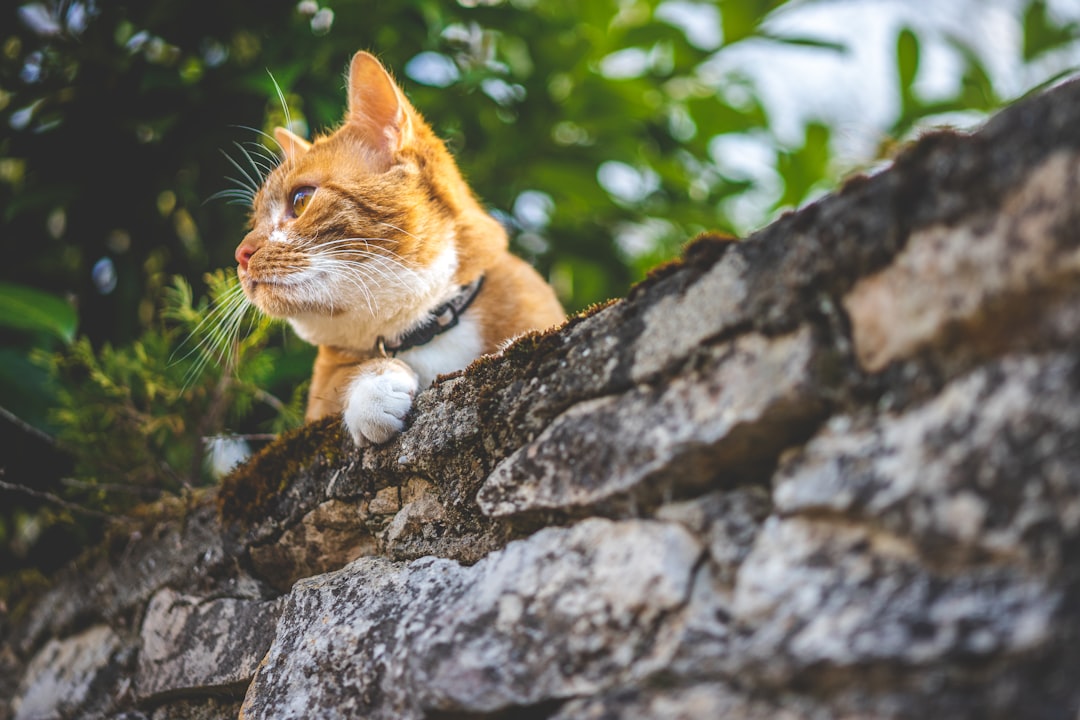
Search for a GPS tracker for cats without a subscription and you will find plenty of products. None of them are GPS trackers. A satellite chip works out where it is, but sending that position to your phone takes a cellular modem, a SIM, and a data plan. The plan is the subscription. What you actually get is two other technologies: Bluetooth tags that borrow strangers' phones, and radio-frequency finders that beep louder as you close in.
TL;DR
- Best no-fee pick: Apple AirTag 2, ~$29. 11.8 g, IP67, a year per cell, 4.7 stars over 87,000 reviews. Bluetooth, not GPS: strong in a city, blind in the countryside.
- Best live finder: Tabcat, ~$70-99 for two 5 g tags. RF, three-plus months per battery, hunted by hand.
- Longest reach: Marco Polo, ~$69-99. Two miles in open field, 300-500 ft in cover.
- Skip: the Tile Sticker on a collar (adhesive), the Chipolo ONE in the wet (IPX5).
- Honest verdict: free-roaming outdoor cat needing live location? Pay the subscription.
As an Amazon Associate we earn from qualifying purchases through the links below, at no extra cost to you. Based on manufacturer specs, published expert reviews, verified-buyer feedback and veterinary guidance, not hands-on testing.
Why is there no true no-subscription GPS tracker for cats?
Because live tracking needs a cellular link, and that link needs a paid plan. Independent comparisons of RF trackers against GPS say the same: satellite positioning gives real-time map updates, and the subscription buys the connection that carries them.
Bluetooth tags are AirTag, Tile Sticker, and Chipolo ONE. Apple's spec sheet describes AirTag as a Bluetooth device using crowd-sourced relay through the Find My network. Direct range is 30 to 40 meters. Beyond that, a stranger's phone has to pass close enough to pick your tag up. In a dense city that works. In rural lanes and woodland the Find My network thins out fast, and no nearby phone means no relay.
RF finders are Marco Polo, Tabcat, and Girafus. These track live with no fee, because the tag talks straight to a receiver you carry. No map, only direction and distance. Walls, fences, and vegetation weaken the signal, so open-field range figures collapse where cats hide.
Prepaid or lifetime cellular plans also surface here. We could not confirm what any of them cover, so we are not recommending one. Our dog tracker subscription comparison has the paid-side maths.
How do the six no-fee options compare?
What each device is, and how far it reaches:
| Tracker | Technology | Weight | Practical range |
|---|---|---|---|
| Apple AirTag 2 | Bluetooth relay | 11.8 g | 30-40 m, then a passing iPhone |
| Tile Sticker | Bluetooth relay | 2 g | ~30 m (75 m advertised) |
| Chipolo ONE | Bluetooth relay | 7 g | 30-50 m (120 m advertised) |
| Marco Polo | RF directional | ~25-30 g | 300-500 ft in cover, 1-2 mi open |
| Tabcat | RF directional | 5 g | 50-300 ft (400 ft advertised) |
| Girafus Pro-Tracker | RF directional | 8 g | 400-800 ft open, 100-200 ft in town |
What it costs to live with:
| Tracker | Battery life | Total no-fee cost | Best use |
|---|---|---|---|
| Apple AirTag 2 | 1 yr, replaceable | ~$29 | Indoor or urban cat |
| Tile Sticker | 3 yr, sealed | ~$30 | Household items |
| Chipolo ONE | Replaceable cell | ~$25-35 | Small indoor cat |
| Marco Polo | ~6 wk tag | ~$69-99 | Rural, open ground |
| Tabcat | 3-plus months | ~$70-99 | Small cat, yard search |
| Girafus Pro-Tracker | 6-7 days | ~$69-99 | Middle ground |
No monthly column, because there is no monthly cost. Range is the trade.
Which Bluetooth tag works best on a cat, and where does it fail?
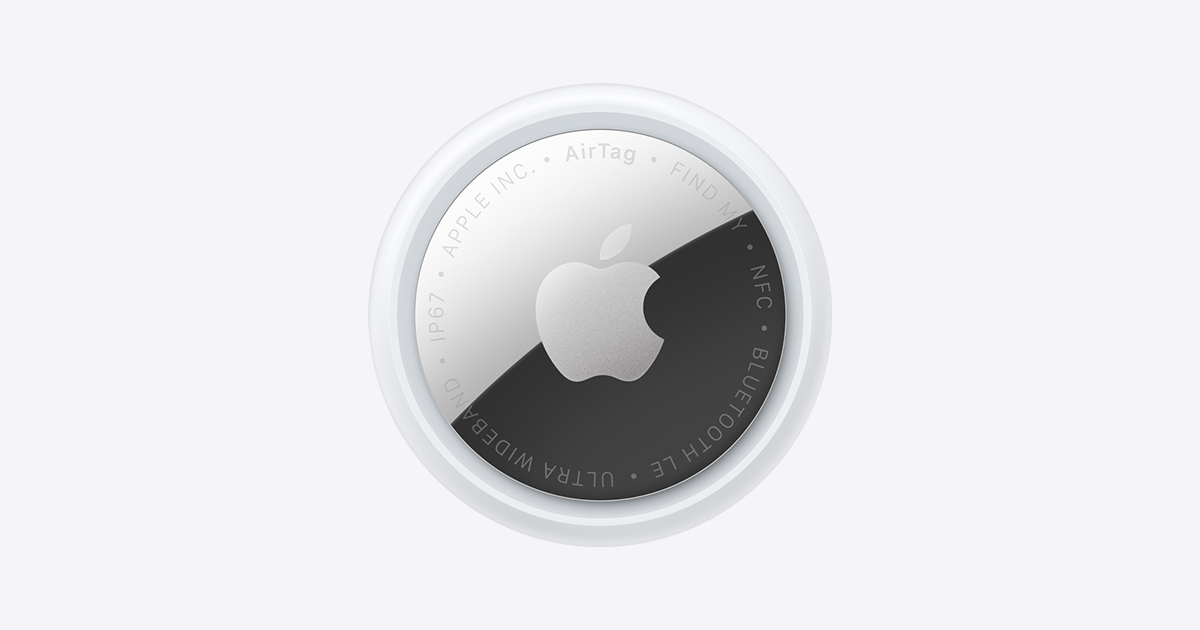
The AirTag 2 is the strongest of the three, and still wrong for an outdoor cat. Apple lists 11.8 grams, IP67, and about a year on a replaceable CR2032. It holds 4.7 stars across more than 87,000 verified reviews, and Find My is far denser than any rival network. Wrong for rural owners, anyone expecting a live map, and cats that get out of sight.
The Tile Sticker is the lightest thing here at 2 grams, with a sealed three-year battery. It advertises about 250 feet and measures nearer 100 with clear line of sight, and its adhesive backing was designed for a remote control, not a moving collar. Wrong for any cat, honestly. Keep it for your keys.
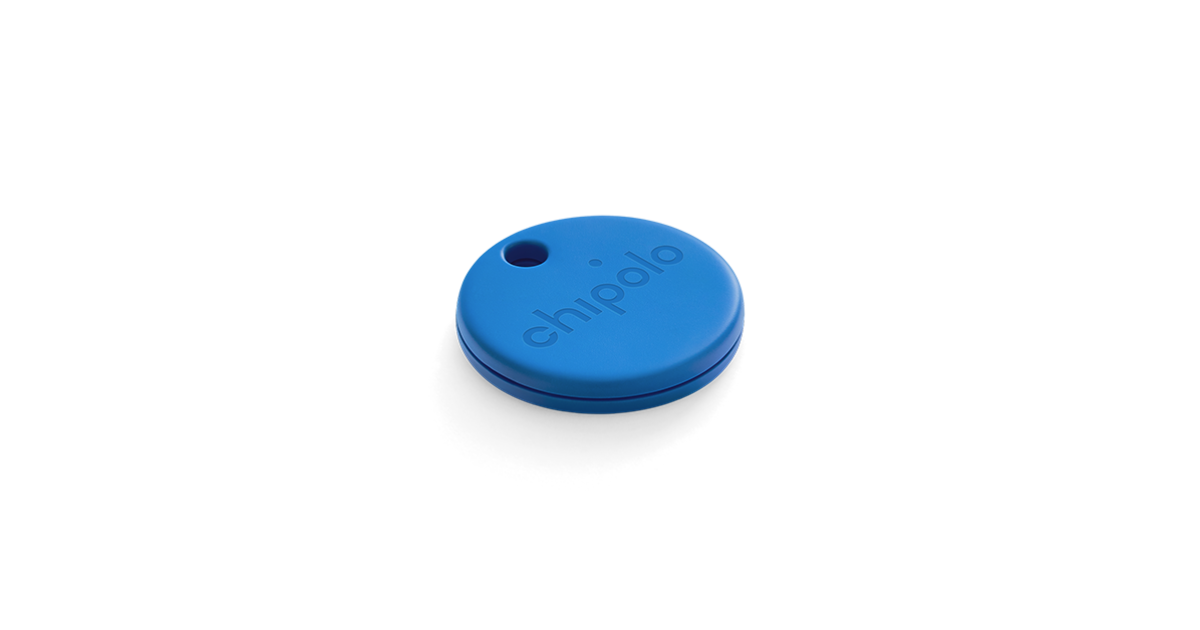
The Chipolo ONE sits between them at 7 grams, advertising 120 meters through the Chipolo community network and delivering 30 to 50. That network is thinner than Apple's, and IPX5 handles rain but not submersion. Wrong for rural homes, wet-weather roamers, and anyone outside a Chipolo-heavy city.
Cats.com's tracker testing is blunt: Bluetooth suits a cat that is nearby, and only RF or cellular covers one past the usual 40-foot window. Our AirTag versus tracker breakdown goes deeper.
Do RF finders like Marco Polo and Tabcat really work with no fee?
Yes, on two conditions: line of sight, and you doing the walking. There is no SIM in an RF tag, so there is nothing to bill. Lost Pet Research's Tabcat write-up puts it plainly: Tabcat's battery runs beyond three months against roughly four days for most cellular trackers, and the technology needs a handheld receiver.
Marco Polo has the longest reach here. Two miles advertised in open terrain, 300 to 500 feet in woods or streets, 4.0 stars across 239 verified reviews. The tag runs six weeks, the receiver 8 hours of searching or 30 days standby. At 25 to 30 grams it is also the heaviest. Wrong for apartments, small cats, and anyone who wants an alert rather than a search.
Tabcat is the most cat-friendly RF option. Two 5-gram tags, three-plus months per battery, built for rough outdoor use. Range is the trade: 400 feet advertised, 50 to 300 in reality. Wrong for anyone expecting a map, or a dense apartment block where the signal bounces.
Girafus Pro-Tracker splits the difference at 8 grams: 1,600 feet advertised, 400 to 800 in the open. Battery is the weak point at 6 to 7 days. Wrong for anyone who wants to forget about charging, and for hilly country.
What does a tracker collar need to be safe on a cat?
A breakaway buckle, and a tag light enough that your cat forgets it. The 2021 AAHA/AAFP Feline Life Stage Guidelines recommend breakaway collars to reduce entanglement injuries, and the ASPCA, AVMA and RSPCA agree. A review of collar use in cats found 39 percent of collar injuries came from elasticated collars and 18 percent from fixed buckles, with none recorded on breakaway buckles.
The breakaway paradox. A collar built to release will release. When your cat snags a fence and pops the buckle, the tracker drops with it. That is the safety feature working, not a flaw to engineer around, and why a $30 tag is easier to lose than a $99 RF system. Never use a fixed collar to keep a tracker attached.
Weight. The same review of collar use in cats puts a collar and its attachments at no more than 3 to 5 percent of body weight. That is the outer limit, not a target: in practice the binding constraint is far lower, because a cat carries the tag on its neck while climbing, squeezing through gaps and grooming. Every option here sits between 2 and 30 grams, comfortably inside the ceiling, so the real question is comparative. A 2-gram Tile Sticker or a 5-gram Tabcat is a different proposition on a small cat than a 25 to 30 gram Marco Polo. For a kitten or a slight cat, take the lightest tag that does the job.
Fit and water. Two fingers should slide under the collar. AirTag, Tile and Marco Polo are IP67; Tabcat and Girafus are built for outdoor use; Chipolo's IPX5 covers rain only.
What happens when a cat goes missing in the countryside?
Nothing good, and this settles the question. Picture a 12-pound tabby slipping out on a wooded rural property, 20 miles from town.
- All three Bluetooth tags: blind. No phone passes, so no relay, and your last-seen point may be hours old.
- Marco Polo: your best no-fee shot, still limited. Two miles is an open-field number; in woodland you have a few hundred feet, on foot.
- Tabcat and Girafus: shorter still. Useful once you have narrowed the hunt to a barn, not for finding it.
No fee-free tracker solves a rural disappearance. If that is your cat's life, our cat tracker guide covers the subscription models worth paying for.
Which no-subscription cat tracker should you buy?
Bottom line: buy the Apple AirTag 2 (4/5) at around $29 if your cat is indoors or urban. If your cat roams free outdoors and needs live location, skip this category and pay the subscription.
Indoor cat, city or busy suburb: the AirTag 2. The densest finding network of any no-fee option, a year of swappable battery, and the strongest verified review record here. Fit it to a breakaway collar and accept you may lose it.
Yard searching, small cat: Tabcat. Two 5-gram tags, months per battery, real direction-finding with nothing to pay. You will be holding a receiver and walking.
Semi-open rural ground: Marco Polo. The most reach available with no fee, at 25 to 30 grams on the collar.
Skip: the Tile Sticker for collar use, the Chipolo ONE for a cat out in the rain. For the indoor cat that bolts out the door, see our guide for indoor cats that escape.
FAQ
Is there a real GPS tracker for cats with no subscription?
Not in any form we could verify. Sending a position to your phone needs a modem, a SIM, and a data plan. Some brands advertise lifetime plans, but we could not confirm what they include.
Will a breakaway collar lose my tracker?
Sometimes, and that is the design working. Breakaway buckles account for zero collar injuries in the published data, against 18 percent for fixed buckles. Losing a tag is the price of that safety.