pet-cameras
Two-Way Audio Pet Cameras: Do Pets Actually Respond, or Is It Marketing?
Do pets really respond to two-way audio, or is it marketing? It works, but only with training, and overuse can worsen anxiety. Based on specs and expert reviews.
Published 2026-06-15 · 8 min read
Amazon Associates disclosure
As an Amazon Associate, I earn from qualifying purchases. The price you pay is the same. This guide is based on manufacturer specifications, published independent reviews, and verified-buyer feedback, not hands-on testing.
TL;DR
- Dogs can respond to two-way audio, but only if trained with treats and consistency beforehand.
- The 1-2 second cloud latency makes true back-and-forth interaction impractical; it's one-way commands, not conversation.
- Overusing two-way audio without fixing the root anxiety can reinforce dependence, not cure it.
- Two-way audio is a monitoring tool and a short-use aid, not a separation anxiety fix.
As an Amazon Associate I earn from qualifying purchases made through links in this review. It doesn't change the price you pay. This guide is based on manufacturer specifications and published independent reviews, not personal hands-on testing.
Your dog hears your voice through the camera and rushes to look for you, a moment that feels like connection. But here's what actually happens: the dog is responding to an unexpected sound and a learned cue, not necessarily to your presence. The marketing claim is that two-way audio solves separation anxiety. The reality is far more conditional.
Do dogs actually respond to two-way audio?
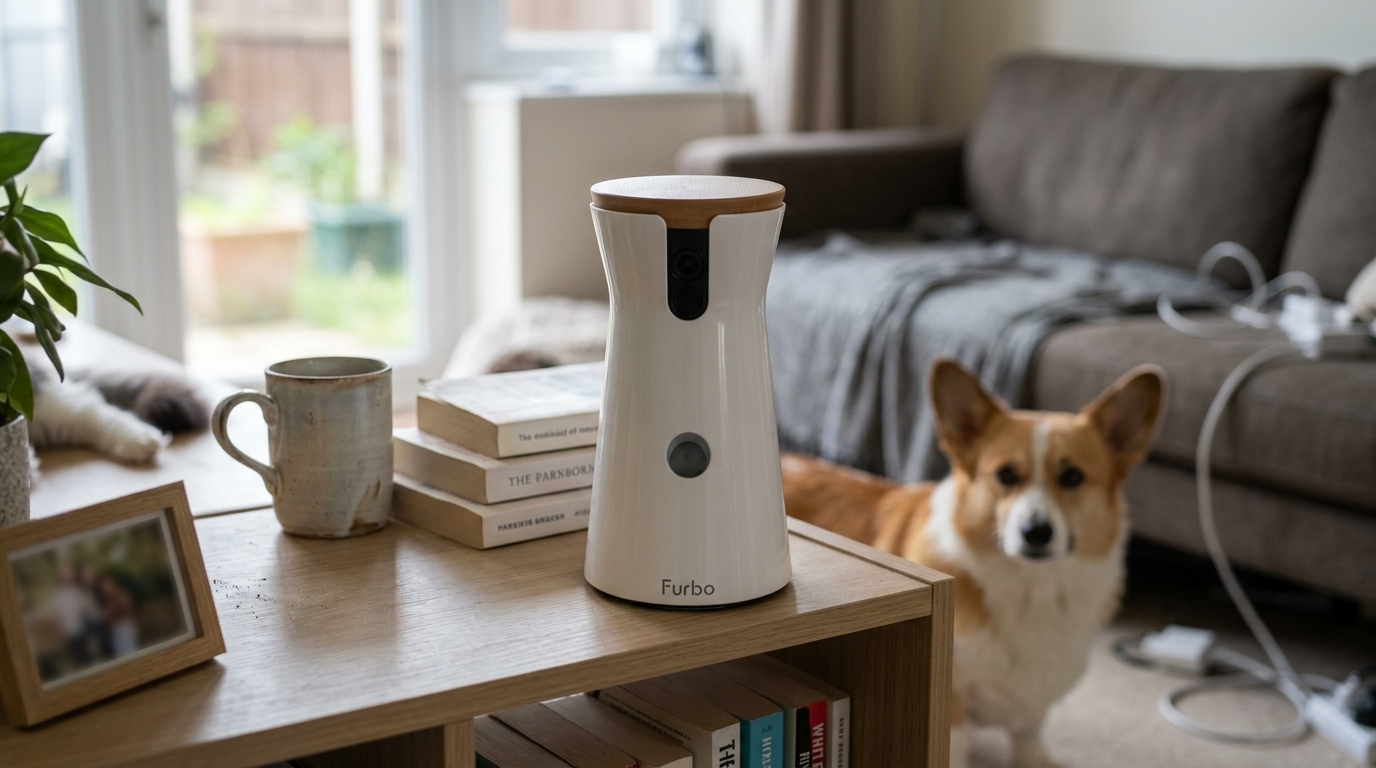
Yes, but conditioning is everything. One tester called their dog's name through a Furbo 360 and the dog "whipped around to look for me," then stopped barking. Real response. But here's the catch: it required prior training.
The SafeWise guide is explicit: like any learned behavior, it takes practice and lots of treats. Dogs don't inherently know the camera is connected to you. You have to condition them. Show the device, dispense a treat when they approach, call them through the audio repeatedly with rewards. After that, yes, they respond. Without it, you're just a disembodied voice.
The tester who got results had a dog already used to the camera. The uncertainty is real: she wasn't fully sure the dog understood his name, or simply reacted to an odd noise. That's the honest truth two-way camera ads skip.
Why does responsiveness depend on training, not equipment?
Because two-way audio is a learned association, not a natural one. Your dog doesn't know the speaker is you. It's a sound. It could mean anything.
The veterinary research helps explain why. Positive owner interaction lowers cortisol, the main stress hormone, but that effect is tied to presence the dog actually recognizes. A speaker broadcasting your voice isn't the same as you being there, and the dog won't treat it that way without explicit training.
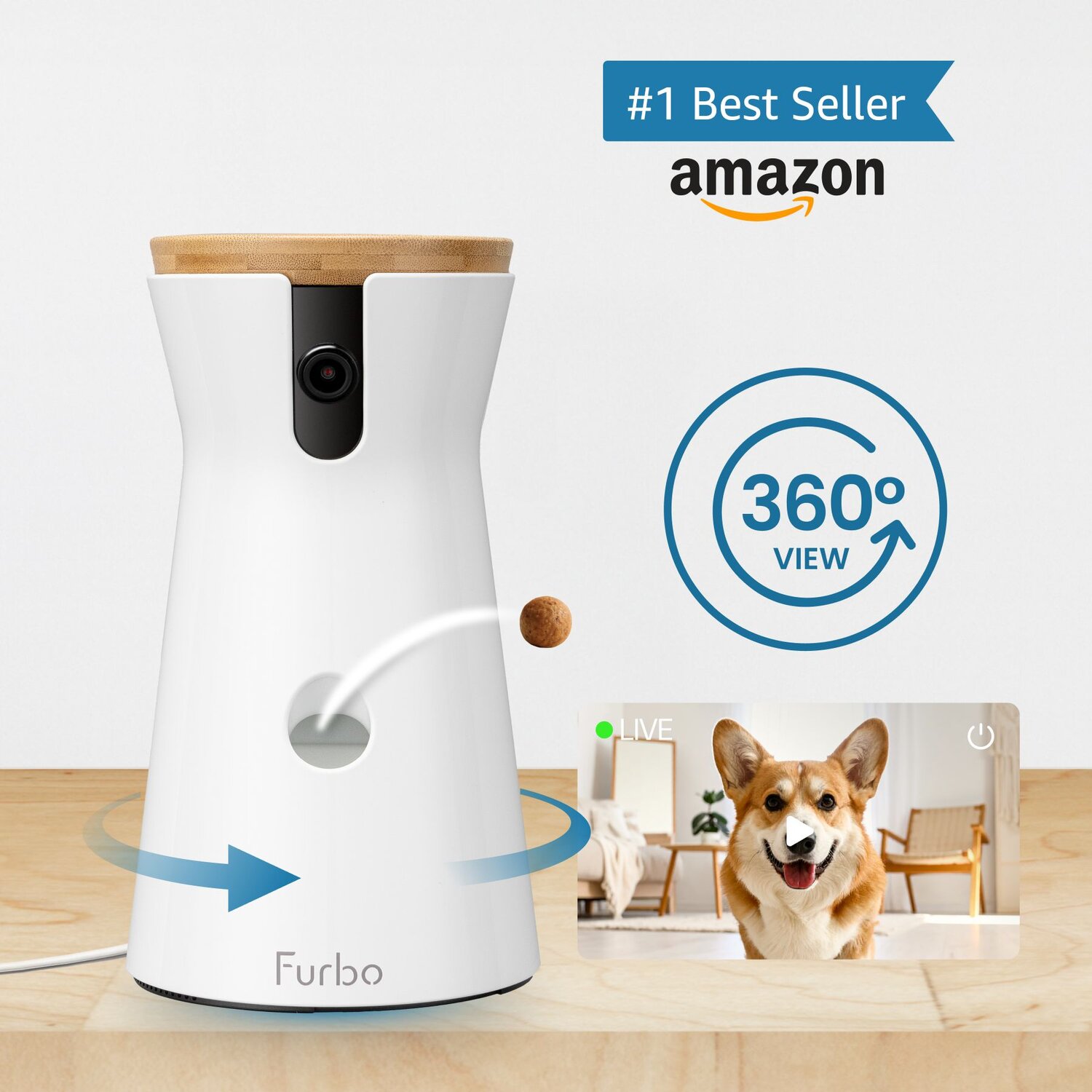
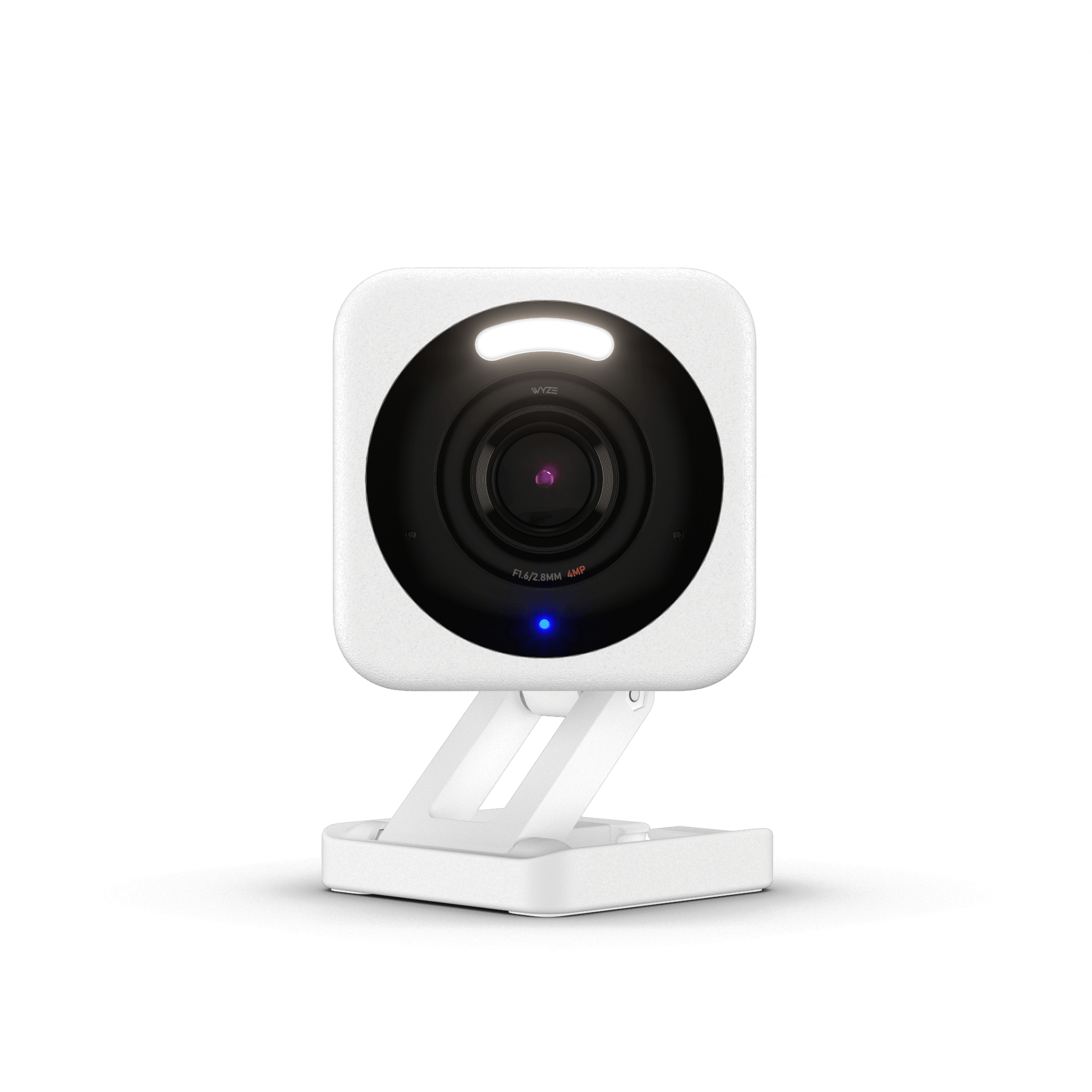
This is why guides recommend short daily sessions through the camera, paired with treat rewards. Equipment matters less than repetition. A $30 Wyze Cam works as well as a $180 Furbo if your dog is trained either way. Both fail equally if your pet has never heard your voice come out of a speaker.
Does the 1-2 second latency ruin real-time interaction?
Mostly for training, not for simple commands. Cloud-connected cameras typically run about 1-2 seconds of delay. Fine for talking at your dog. Awkward for anything that needs timing.
For a one-way command, the lag barely matters. You say "come here," the dog hears it a second later, no problem. But for training that rewards a behavior the instant it happens, the delay breaks the loop. You try to reward a bark you just heard. The dog has already moved on. You miss the moment.
That timing gap is why latency matters for remote training. Most cloud cameras can't avoid it. It isn't a defect in one product. It's the cost of cloud hosting.
Can two-way audio actually make separation anxiety worse?
Yes. This is the marketing trap nobody leads with. The pitch is simple: use two-way audio to comfort your anxious dog while you're gone. The reality is more uncomfortable.
Bark & Whiskers spells it out: hearing your voice "might offer temporary reassurance, but it risks reinforcing your pet's dependence on your presence." That can make it harder for the dog to cope alone, not easier.
Call it replacement anxiety. You calm the dog with audio. It feels better while your voice plays. Then the voice stops, and the silence is now worse, because the dog learned the camera brings you back, and suddenly it doesn't. Repeated over weeks, the distress deepens.
The real fix addresses root causes: desensitization, enrichment, and slow independence building. A camera helps you spot patterns and triggers. It is not therapy, and most marketing blurs that line.
Which two-way-audio cameras are actually worth it?
Only as a monitoring aid for a trained pet, and for short reassurance while you run an errand, not a full work day.
| Camera | Audio quality | Latency | Price | Subscription |
|---|---|---|---|---|
| Wyze Cam v4 | Basic | ~1-2s | $25-35 | None |
| Furbo 360 | Decent | ~1-2s | $150-180 | Optional |
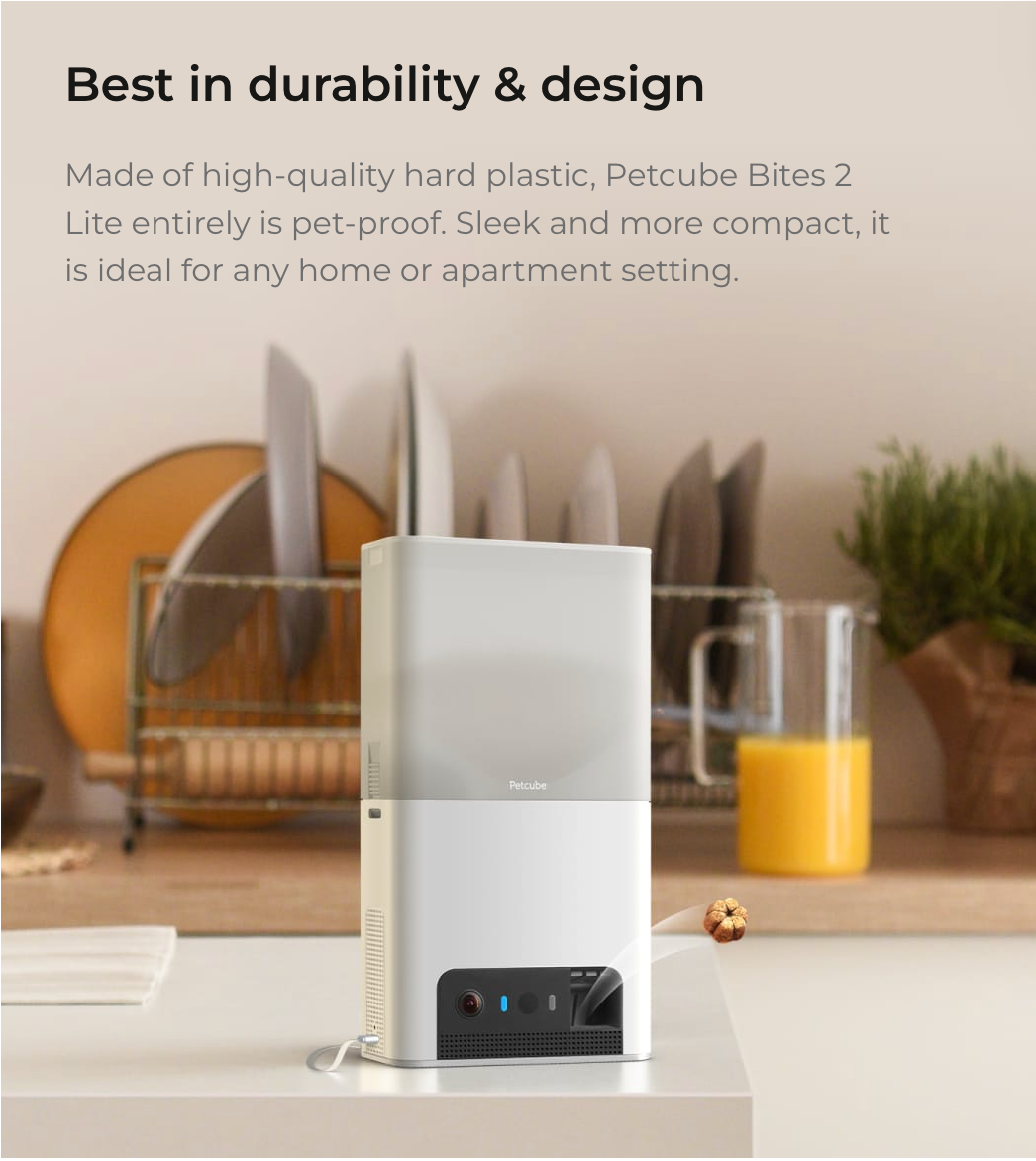
| Petcube Bites 2 Lite | Premium | ~1-2s | $200-250 | Optional |
None of these will cure separation anxiety. All need prior training for a reliable response. The $25 Wyze performs like the $250 Petcube on latency and real-time responsiveness. The price gap buys resolution, panning, and treat tossing, not better audio odds.
Vocal reassurance can cut stress hormones by up to about 30% in dogs left alone. But that figure assumes a dog already conditioned to respond and already partly soothed by the familiar voice. It's a ceiling, not a starting point. If treat tossing is the actual draw for you, our Wyze Cam vs Furbo comparison breaks down where that money really goes.
Does the speaker quality actually matter?
Less than the spec sheet implies. A pricier camera with a "premium" microphone array sounds cleaner to you, but the dog isn't grading fidelity. One reviewer noted the Furbo's speaker has a slight tinniness, and dogs simply don't care. What reaches the dog is your tone and a familiar word, not studio audio.
So the audio upgrade you pay for mostly benefits the human end of the call. That's worth knowing before you spend $200 chasing "crystal-clear" two-way sound. The dog responds to the cue you trained, on a basic speaker or a fancy one. Where premium hardware does earn its price is elsewhere: panning, higher resolution, and treat tossing. If that combination matters to you, a pet camera with a treat dispenser is the feature set to compare, not the microphone.
When is two-way audio genuinely useful?
For short, specific jobs with a trained dog. This is where the feature earns its keep, and it's fair to say so. A quick "I'll be right back" during a 20-minute errand can settle a dog that already knows the routine. A sharp cue can interrupt a barking spell; the SafeWise tester used it to do exactly that.
It also pairs well with treat tossing. The voice gets attention, the treat rewards the calm. For monitoring, the audio doubles as a way to check whether a noise you heard on camera is real distress or just the mail carrier. None of these uses is the "anxiety cure" on the box. They are small, practical wins, which is the honest case for buying one at all.
Do you even need the talk-back feature?
Many owners buy it and barely touch it. Be honest about your routine before you pay extra. If your goal is simply to see that your pet is safe, a plain camera does that for less money and less fuss. The microphone only adds value if you will actually train the response and use it.
There's a quieter reason to pause, too. Treating the camera as a monitoring tool rather than a therapy device keeps your expectations honest. Watching for triggers, checking on a noise, confirming the dog settled after you left, those are the wins that hold up. Reaching for the mic every hour is usually a sign you are managing your own worry, not the dog's. A camera that just shows you a calm pet on the sofa has already done its job.
So the buying question isn't "which model has the best speaker." It's whether you'll put in the conditioning work at all. If yes, a cheap camera with the feature is plenty. If you suspect you won't, skip it and save the money for a vet behaviorist consult, which addresses the actual problem.
The verdict
Buy a two-way-audio camera for what it reliably does: let you watch your pet and issue the occasional quick command. Train the response first, keep the sessions short, and treat the audio as comfort, not cure.
Bottom line: Two-way audio works for a dog trained to expect it and can give a short boost during brief absences. Skip it as a separation-anxiety fix — a camera won't do that. Buy it for monitoring plus the option of a quick command, not for therapy.