PetSafe Guardian GPS Dog Fence Buying Guide: What to Know Before You Buy
Everything to check before buying the PetSafe Guardian GPS Dog Fence, including how GPS fences work, safety limits, training needs, and realistic alternatives.
Published Oct 26, 2026 · 7 min read
As an Amazon Associate, I earn from qualifying purchases. Your price stays the same.
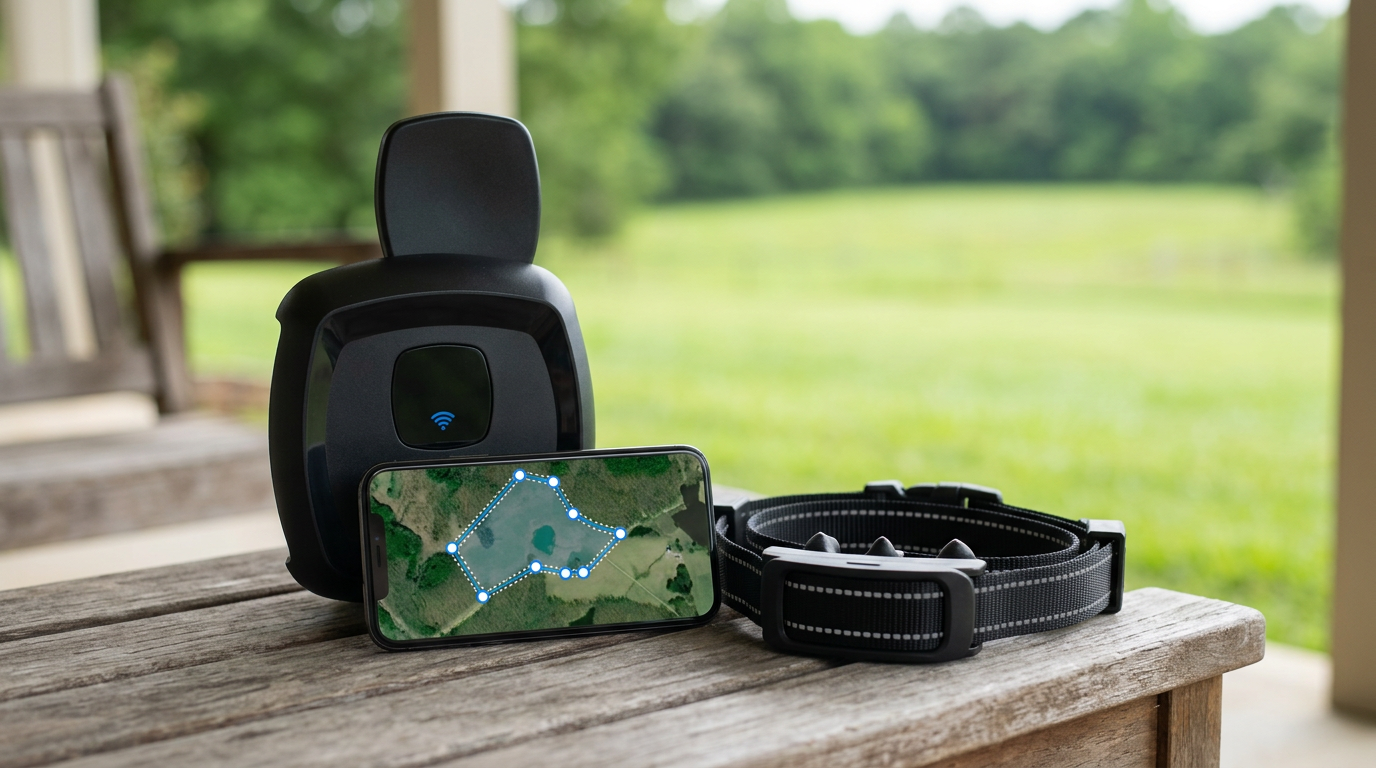
The PetSafe Guardian GPS Dog Fence is a wireless dog containment system that uses satellite positioning to create a virtual boundary around your yard. For pet owners weighing whether a GPS fence fits their property and their dog's temperament, this guide covers what matters: how the technology works, its safety limits, the trade-offs to expect, and what to confirm before purchasing.
Quick pick: PetSafe Guardian GPS Dog Fence. Best for owners with open yards who want wire-free containment from a pet-specialist brand. See it on Amazon (affiliate link).
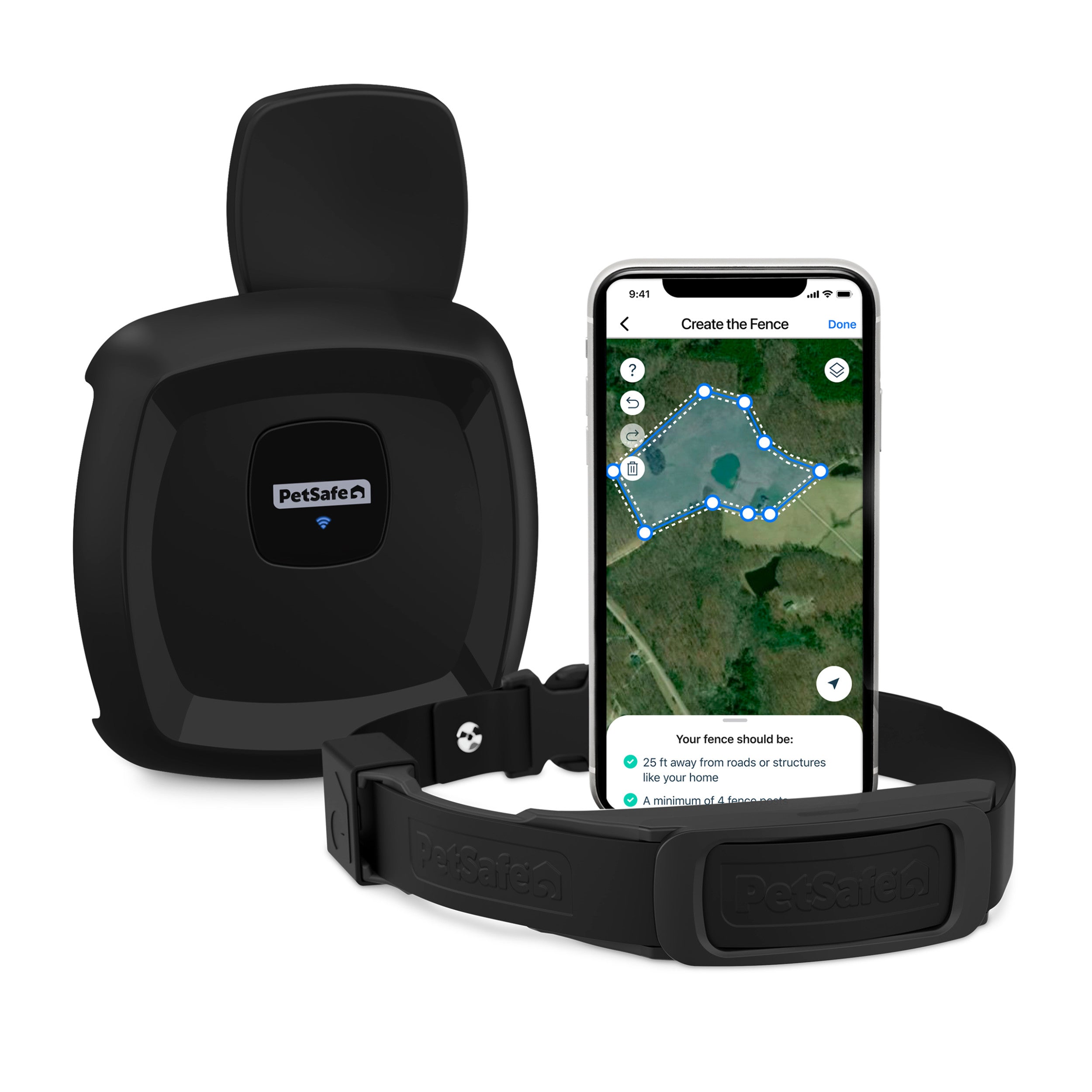
What the PetSafe Guardian GPS Dog Fence Is
The PetSafe Guardian is listed in the GPS dog fence category, meaning it relies on satellite signals rather than buried boundary wire to define your dog's containment area. This makes it a wireless option that avoids the installation work of traditional invisible fence systems, which typically require trenching or surface-stapling a perimeter wire.
The product is available through its Amazon listing. Because specific technical specifications such as exact GPS accuracy, correction levels, battery life, and supported containment area can vary by listing version or firmware release, those details should be verified directly on the product listing before purchasing. The sections below provide a framework for evaluating those specifications once you have them.
How GPS Dog Fences Work
GPS dog fences replace physical barriers and buried wires with satellite-based positioning. The general process:
- Boundary setup. You define a containment zone through a connected app or device, drawing the perimeter around your property. Some systems let you create custom-shaped boundaries that follow your property lines; others only create circular boundaries centered on a base station.
- Position tracking. Your dog wears a collar that communicates with GPS satellites to determine its location. More advanced systems use multi-constellation positioning (GPS plus GLONASS, Galileo, or BeiDou) for tighter accuracy.
- Warning zone. As the dog approaches the boundary, the collar emits an audible warning tone. This gives the dog a chance to turn back on its own.
- Correction zone. If the dog continues past the warning, the collar delivers a corrective stimulus. Most systems offer adjustable static correction, and some include vibration-only or tone-only modes.
This approach means no digging, no wire to break or repair, and the ability to adjust boundaries from a smartphone. You can also move the system to a different property, which is useful for vacation homes or travel.
The trade-off is that GPS accuracy is not perfect. Signals can drift due to terrain, weather, tree canopy, and nearby structures. The effective boundary may shift by several feet between sessions or even within a single session, which is a fundamental limitation of any GPS-based containment system rather than a flaw specific to a single brand or model.
Evaluation Criteria for GPS Dog Fences
Before buying the PetSafe Guardian or any GPS fence, check these factors against the product listing and manufacturer specifications.
| Factor | What to Verify | Why It Matters |
|---|---|---|
| GPS accuracy | Stated accuracy range; single vs. multi-constellation (GPS, GLONASS, Galileo) | Boundary drift affects both safety and your dog's trust in the system |
| Correction types | Number of static levels; vibration or tone-only option | Dogs respond differently to correction; more options let you match your dog's temperament |
| Dog size and fit | Minimum weight; neck circumference range | A collar that is too heavy or large for your dog causes discomfort and unreliable triggering |
| Battery life | Stated runtime per charge; type (rechargeable, replaceable) | Short battery life means frequent charging, which risks the system dying while your dog is outside |
| Containment area | Minimum and maximum boundary size; shape limits (circular vs. custom polygon) | Some GPS fences only create circular boundaries; your property may not match that shape |
| App and connectivity | Required smartphone OS; subscription requirements | Some systems require a paid subscription for full GPS functionality |
Safety Considerations for GPS Dog Fences
GPS containment systems are tools, not guarantees. Understanding their limits protects both your dog and your peace of mind.
GPS Fences Do Not Physically Stop a Dog
No invisible fence, GPS-based or wire-based, creates a physical barrier. If a dog is motivated by prey, fear, territorial instinct, or another stimulus strong enough to override the correction, it can and will cross the boundary. This is not a flaw in any specific product. It is a structural limitation of every containment method that relies on the dog choosing to respect a boundary.
This distinction matters for safety planning. If you live near a busy road and your dog would be in danger the moment it crosses the boundary, that is a situation where a physical fence offers something a GPS fence cannot: a real barrier.
Boundary Drift Creates Inconsistent Zones
GPS satellites provide positioning with a margin of error that changes based on conditions. On a clear day in an open field, GPS accuracy may hold within a few feet. Under tree canopy, near buildings, or during heavy cloud cover, the error margin widens.
In practical terms, this means:
- The dog may receive a warning or correction in an area you intended to be safe space.
- The dog may be able to walk past the intended boundary without triggering the system because the boundary has temporarily shifted inward.
- The boundary may shift slightly between sessions, which can confuse a dog during training if it learns one boundary position on Monday and encounters a different one on Wednesday.
This is an inherent property of GPS positioning and applies to every GPS fence on the market.
Training Is Non-Negotiable
A GPS fence is not a plug-and-play containment solution. Responsible use requires structured boundary training:
- Walk your dog on a leash near the boundary and reward them for turning back at the warning tone.
- Practice in short, supervised sessions over several days or weeks.
- Never leave a dog unsupervised in the containment area until you are confident the dog respects the boundary reliably.
- Remove the collar when the dog is not in the containment zone so the dog does not associate correction with everyday life.
Without training, the dog does not understand what the warning and correction mean. This can cause confusion, anxiety, or bolting in the opposite direction of what the fence is meant to prevent.
Some Dogs Should Not Use Correction-Based Systems
Dogs with anxiety, reactivity, or fear-based aggression may respond poorly to static correction. For these dogs, the correction can escalate stress rather than modify behavior. If your dog has a history of anxiety or behavioral issues, consult a certified professional before using any correction-based containment system.
Who Should Consider the PetSafe Guardian
This type of GPS fence may suit you if:
- Your yard is too large for a buried-wire system to be practical or affordable.
- You rent your home or live under rules that prohibit physical fences.
- You want a portable containment option for travel, camping, or vacation properties.
- Your property has clear sky views and minimal tall obstructions near the boundary.
- Your dog is well-socialized, responsive to training, and does not have a high prey drive.
Who Should Skip It
Look at alternatives if:
- Your property has dense tree cover, tall nearby buildings, or terrain that blocks GPS signals reliably.
- Your dog has a documented history of bolting, ignoring barriers, or extreme prey drive.
- You have a very small or very young dog where collar fit is uncertain.
- You need guaranteed containment with zero chance of the dog escaping (such as near a road).
- Your dog is anxious, fearful, or reactive, and correction may worsen those behaviors.
Realistic Alternatives
Traditional Physical Fence
A physical fence is the only containment method that creates a true barrier. It requires higher upfront investment and may be restricted by local regulations or homeowner association rules, but it does not depend on satellite signals, battery charge, or your dog's individual response to correction. For most dogs, a physical fence is the most reliable option.
Buried-Wire Invisible Fence
Invisible fences that use wire buried around the perimeter provide a consistent signal that is not affected by GPS drift. They require installation work (trenching or surface stapling), but the boundary is fixed and reliable once installed. They are not portable. The wire can also break from landscaping, frost heave, or general wear, requiring troubleshooting.
Other GPS Fence Brands
Multiple manufacturers produce GPS-based dog fences with varying features and price points. A comprehensive 2025 review of GPS dog fence brands covers nine brands and may help you compare options. Evaluating multiple products side by side gives you a better sense of which features you are paying for and which you are giving up.
No Containment System
Supervised outdoor time in a securely fenced area (a dog park, a friend's yard, or a rented space) is the lowest-risk option for dogs that do not have access to a safely enclosed area at home. It requires more effort but eliminates every risk associated with electronic containment.
What to Verify Before Buying
Before purchasing, confirm the following directly from the product listing or the manufacturer's support resources:
- Your dog's weight and neck measurement against the collar's specifications.
- Whether the system requires a subscription for app access or GPS functionality.
- The stated battery life and what charging method it uses (USB, dock, proprietary cable).
- The maximum and minimum containment area the system supports for your specific property.
- The return policy and warranty period.
- Whether the companion app is compatible with your phone's operating system.
- What training materials or guides are included with the product.
Product listings change. Specifications can differ between software versions or regional models, confirming details at the time of purchase is the safest approach.
Sources
Gift ideas and deal checks
See every guide and deal checkHow we research: This guide is based on manufacturer specifications, published independent reviews, and verified-buyer feedback, not hands-on testing.
New pet-tech reviews land every week
One email a week with the newest review and the gear pet owners are actually buying. No spam, unsubscribe anytime.