buyer-guide
PetSafe Easy Walk No-Pull Harness: Does It Actually Stop Leash Pulling?
An evidence-based guide to the PetSafe Easy Walk harness, covering how it works, safety limits, trade-offs, and alternatives for dog owners.
Published 2026-10-02 · 4 min read
Amazon Associates disclosure
As an Amazon Associate, I earn from qualifying purchases. The price you pay is the same. This guide is based on manufacturer specifications, published independent reviews, and verified-buyer feedback, not hands-on testing.
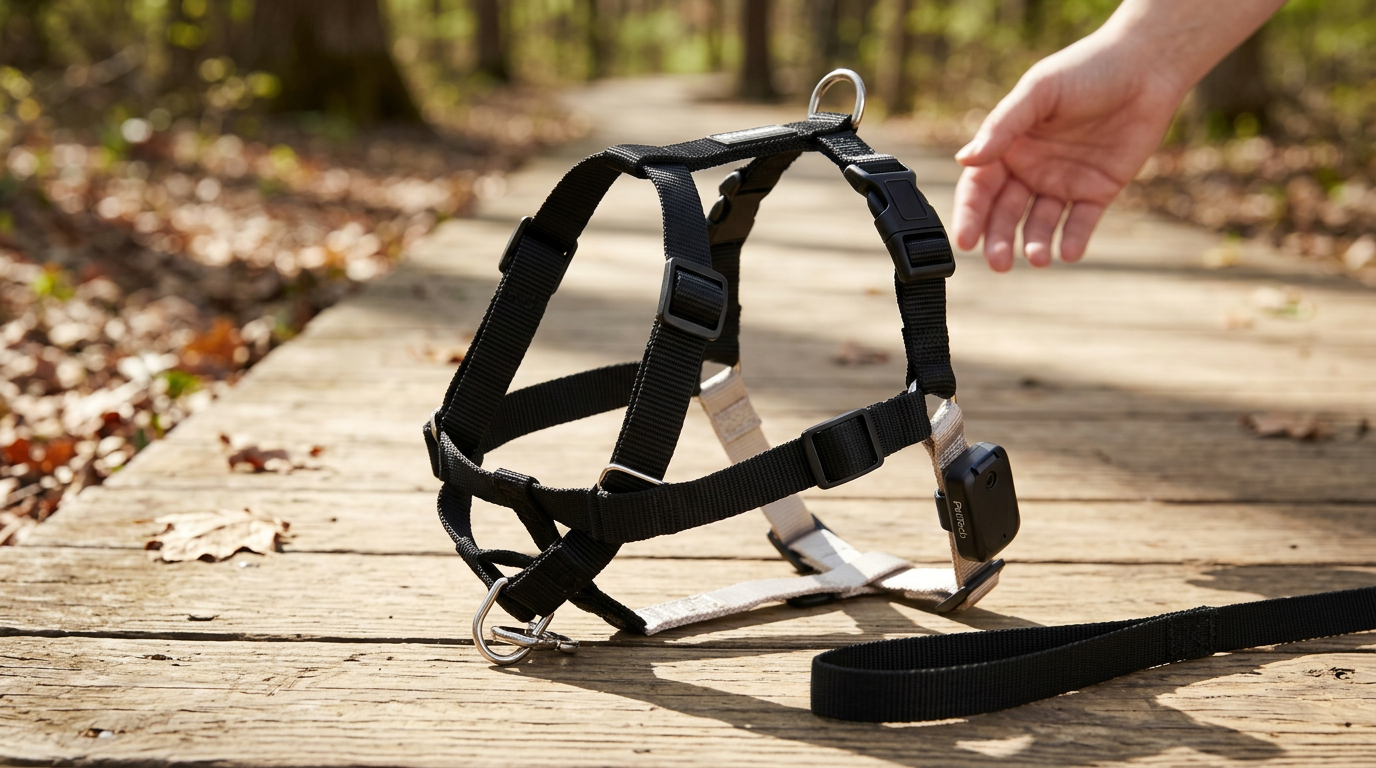
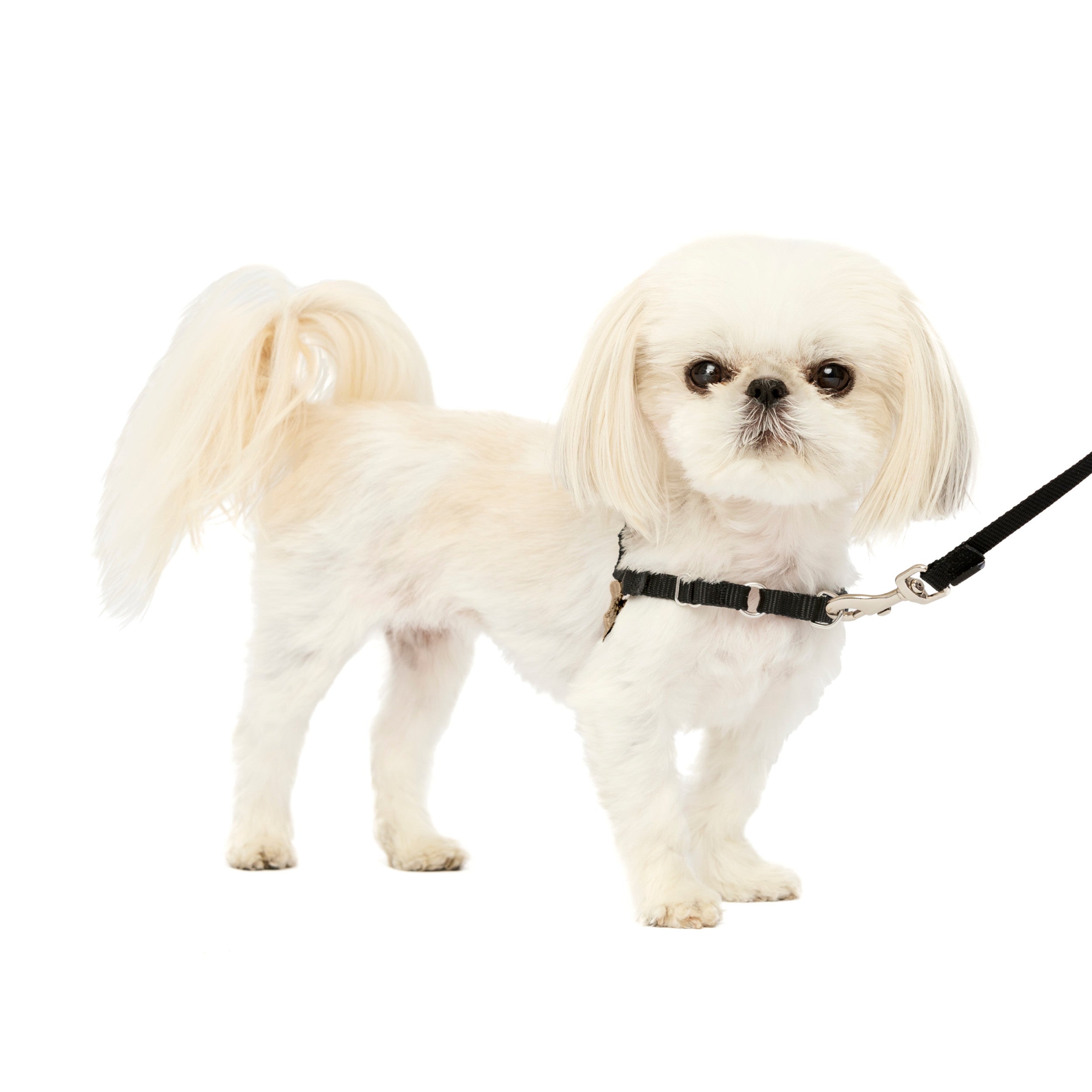
If your dog treats every walk like a sled race, the PetSafe Easy Walk no-pull harness is a common suggestion. This guide examines the evidence behind its effectiveness, important safety considerations, and practical alternatives, so you can make an informed choice for your pet.
How the PetSafe Easy Walk Harness Works
The core design feature is a front-chest leash attachment. When a dog pulls, the harness redirects its forward motion back toward you, gently discouraging the behavior without causing pain. This principle is often recommended by trainers for positive reinforcement-based leash training [^1].
The Medium/Large size is designed for dogs within specific chest and weight ranges, though exact measurements should be confirmed with the manufacturer's sizing chart before purchase. Proper fit is critical to both effectiveness and safety.
Evidence from Reviews and Independent Testing
The PetSafe Easy Walk has received attention from both consumer reviewers and professional testers. Business Insider featured it in a review, noting its effectiveness in their experience, and the article was medically reviewed by Sorin McKnight, DVM, adding a layer of veterinary oversight to the claims [^1].
In broader testing, MSN included the harness in its roundup of the "best no-pull dog harnesses" after testing 21 different models for comfort, fit, and control. Their evaluation focuses on real-world performance in stopping leash pulling safely [^2]. While individual results vary, its presence in multiple independent assessments suggests a consistent design philosophy aimed at solving a common problem.
Safety Limits and Proper Fit
No harness is universal. Safety limits for the Easy Walk hinge on correct sizing. An ill-fitting harness can lead to chafing, restricted movement, or escape. The product is generally marketed for adult dogs; its suitability for puppies or dogs with specific medical conditions like tracheal collapse should be verified with a veterinarian, as front-clip designs can place pressure on the chest.
Users should also monitor for signs of discomfort. The harness should sit low on the chest, not rub against the armpits, and allow full shoulder range of motion. Regular adjustment checks are necessary as dogs grow or gain weight.
Trade-offs: Advantages and Disadvantages
Based on review summaries, here is a balanced look at the common points raised.
| Aspect | Advantage (Per Reviews) | Disadvantage (Per Reviews) |
|---|---|---|
| Pulling Control | Effective at reducing lunging and pulling for many dogs. | May not be sufficient for very strong pullers or reactive dogs without additional training. |
| Comfort & Design | Front-clip design avoids putting pressure on the throat. | Some dogs may need an adjustment period; straps can loosen over time. |
| Training Use | Can be a helpful tool in a broader positive-training regimen. | Not a substitute for consistent leash training and reinforcement. |
This table synthesizes points from the Business Insider review and MSN's testing focus [^1][^2]. It highlights that the harness is a tool, not a magic solution.
Alternatives Worth Considering
If the Easy Walk doesn't seem right, MSN's testing identified other top-rated no-pull harnesses. Their roundup includes options with different clip positions (back-clip, dual-clip), materials, and levels of padding [^2]. When considering alternatives, look for:
- Back-clip harnesses: Better for dogs already trained to walk politely, as they offer more freedom of movement.
- Dual-clip harnesses: Provide versatility with both front and back rings, allowing you to switch based on the dog's behavior.
- Step-in vs. overhead designs: Suit different dog temperaments and owner preferences for ease of use.
Research specific models within these categories to find the best match for your dog's build and temperament.
Who Should Skip This Harness
The PetSafe Easy Walk may not be ideal in several scenarios:
- Dogs with respiratory issues or neck sensitivity: While it avoids throat pressure, the chest pressure could still be a concern. Consult your vet first.
- Very small or toy breeds: The Medium/Large size is not appropriate. Ensure the specific size variant matches your dog's measurements.
- Dogs that are persistent chewers: Harnesses with straps can be targets for destructive chewing when not in use.
- Owners seeking a hands-off solution: If you are unwilling to invest time in proper fitting and consistent training, the harness's effectiveness will be limited.
Conclusion: Making the Decision
The PetSafe Easy Walk no-pull harness is a well-researched option for owners seeking to reduce leash pulling. Its front-clip design has demonstrated effectiveness in independent reviews and testing, but it requires proper sizing and should be part of a broader training strategy. Before buying, measure your dog carefully, consider any health conditions, and be prepared to combine the harness with positive reinforcement techniques. If your dog has unique needs, exploring alternatives with different designs may yield better results.
Sources
[^1]: Business Insider - The PetSafe Easy Walk Comfort harness review [^2]: MSN - Best no-pull dog harnesses testing
New pet-tech reviews land every week
One email a week with the newest review and the gear pet owners are actually buying. No spam, unsubscribe anytime.