Best Pet Cameras for Dog and Cat Owners (2026): Petcube vs Furbo
Compare Petcube Bites 2 Lite and Furbo 360 Dog Camera, with practical advice on fit, treat safety, placement, and ongoing costs.
Published Nov 22, 2026 · 9 min read
As an Amazon Associate, I earn from qualifying purchases. Your price stays the same.
Top picks in this guide
Petcube Bites 2 Lite
Check priceFurbo 360 Dog Camera
Check price
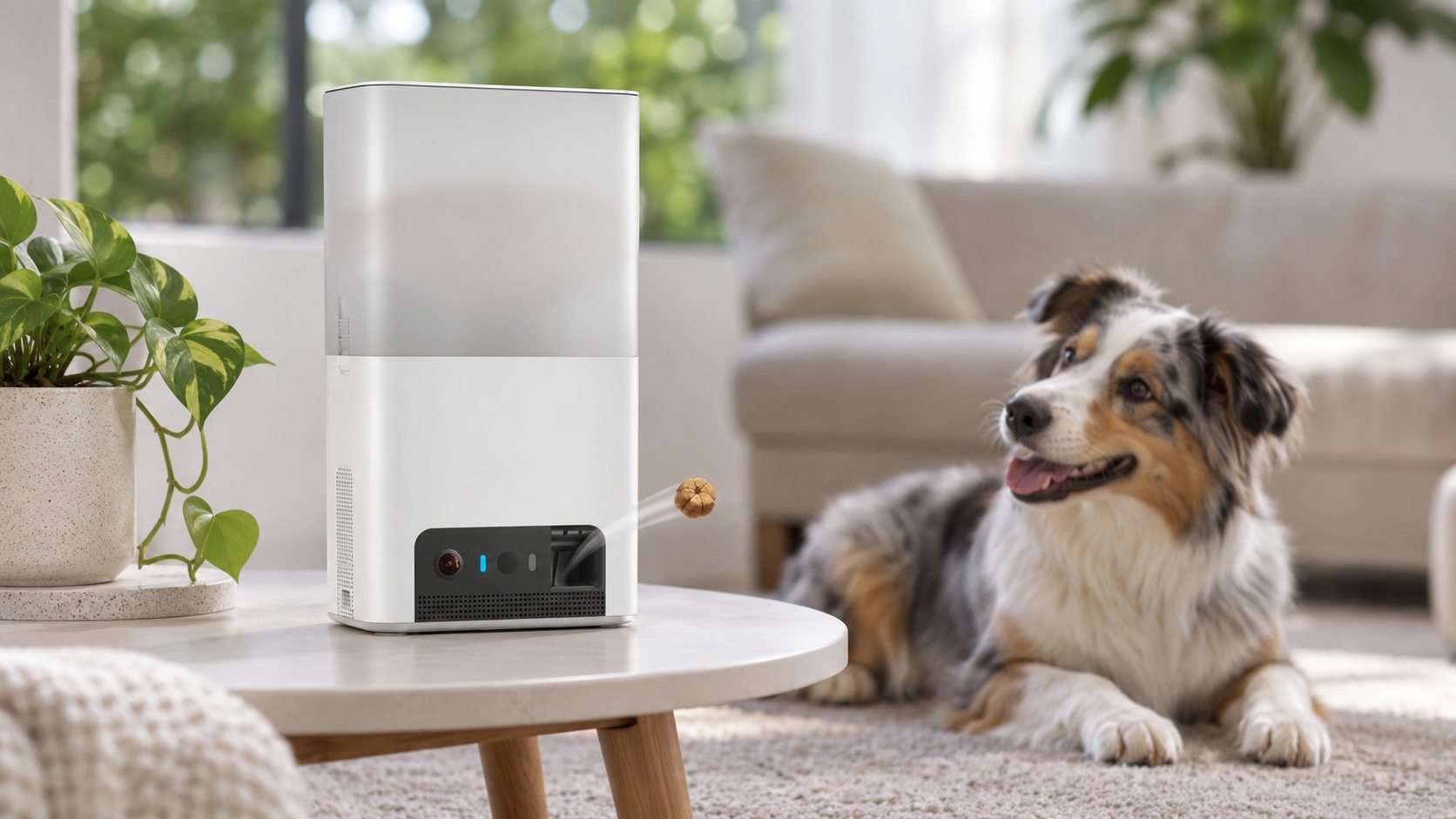

Best Pet Cameras for Dog and Cat Owners (2026): Petcube vs Furbo
The best pet cameras fit a specific job: checking on a resting cat, watching a dog near the front door, or offering an occasional treat during an absence. Petcube Bites 2 Lite is the first pick here for owners whose starting point is observation and interaction. Furbo 360 Dog Camera is the alternative for a dog owner specifically interested in treat tossing. Choose around your pet’s routine, the room you need to see, and the responsibilities a camera cannot replace.
Quick pick: Petcube Bites 2 Lite. It suits dog and cat owners who want an interactive monitoring camera as their starting point. See it on Amazon (affiliate link).
Best Pet Cameras: A Quick Decision Table
These recommendations follow two different priorities. Petcube comes first for a general dog-or-cat monitoring brief. Furbo is the more targeted option when remote treat tossing is central to the purchase. This is an editorial ordering by intended use, not a claim that one produces better video or more reliable alerts.
| Product | Best fit in this guide | Relevant product detail | Main buying consideration |
|---|---|---|---|
| Petcube Bites 2 Lite | Owners starting with dog or cat monitoring | Described as an interactive pet monitoring camera for observing dogs and cats in an NJ.com review | Decide whether observation and interaction answer a useful everyday question |
| Furbo 360 Dog Camera | Dog owners who specifically want treat tossing | Furbo 360 cameras appear in Lifehacker’s coverage of treat-tossing pet cameras | Decide whether food-based interaction belongs in your pet’s routine |
Do not read the order as a universal recommendation. A dog owner with a clear use for treat tossing may reasonably choose Furbo first. Someone who wants only a view of a sleeping area should compare either purchase against a simpler camera before paying for interaction features.
1. Petcube Bites 2 Lite: First Pick for a General Monitoring Brief
Petcube Bites 2 Lite is the most natural starting point here for a household asking, “What does my dog or cat do while I am out?” An NJ.com review describes it as an interactive pet monitoring camera and discusses observing dogs and cats when their owner is away.
That makes it relevant to a broad monitoring brief. It does not, by itself, establish that the camera will suit every room, every pet, or every type of absence.
Who it suits
Consider Petcube if you can name a useful observation task before buying. Perhaps you want to see whether your cat uses a particular resting spot, or whether your dog settles in the living room after you leave.
Those are manageable questions because they point toward a location and an observable behavior. “Make me stop worrying about my pet” is a much harder shopping brief. No product specification can promise that outcome.
For a shared dog-and-cat household, start with the animal whose routine you most need to observe. A camera aimed at the dog’s bed may tell you little about a cat resting elsewhere. Plan the view before deciding that one device will cover both pets.
The main trade-off
The buying question is whether an interactive pet camera earns its place over a simpler viewing arrangement. The product’s interactive positioning is described in the NJ.com review, but your intended use should determine how much that matters.
If you expect to glance at one resting area once or twice during a short outing, concentrate on that task. If you want to engage with your pet, think through what a successful interaction would look like and how you would recognize an unwelcome one.
For example, a useful goal might be a brief check followed by a return to resting. If interacting repeatedly draws your pet away from rest, reconsider whether interaction is helping your particular routine.
Who should skip it
Skip this purchase if your actual need is someone physically present to provide care. A camera should not be the proposed solution to a missed walk, a feeding responsibility that needs supervision, or a concern requiring an in-person assessment.
Also pause if you cannot identify a sensible camera position. Buying first and discovering later that the important area is out of view is an avoidable mismatch.
See it on Amazon (affiliate link).
2. Furbo 360 Dog Camera: The Alternative for Treat-Focused Interaction
Furbo 360 Dog Camera belongs on the shortlist when dispensing treats remotely is part of the plan. Lifehacker’s coverage of Furbo 360 cameras identifies treat tossing as a feature of the cameras discussed.
Choose it for that intended use, rather than assuming that a dog-focused product must automatically be the right answer for every dog household.
Who it suits
Furbo is worth considering for an owner who already has a deliberate approach to treats and wants to decide whether remote delivery would add something useful.
Write down the interaction you have in mind. “Offer an occasional planned reward during a check-in” is specific enough to evaluate. “Keep my dog entertained all day” leaves too many questions unanswered, including how much food you intend to dispense and what happens when you cannot check the camera.
The distinction matters particularly in a busy household. Before buying, agree on who will use the device and when. Otherwise, each person may assume someone else is keeping track of treats.
The main trade-off
Treat tossing introduces a food-management decision alongside the camera decision. That does not make it unsuitable, but it does mean you should judge it differently from a product purchased only for observation.
For a dog on a restricted diet, ask the veterinary team whether the proposed treats and feeding routine are appropriate. For multiple pets, decide whether unattended food delivery fits how those animals share space.
Do not make the purchase dependent on a hoped-for behavioral outcome. Treat delivery is a product function described in Lifehacker’s coverage; a promise that it will resolve distress is a different claim.
Who should skip it
Skip Furbo if you do not want remote feeding in your home. There is little reason to make treat tossing the center of a purchase when you would prefer never to use it.
Also consider an observation-only approach if you need to keep each animal’s food separate, or if you would rather have a person supervise every treat. Your preferred care routine should lead the technology choice.
See it on Amazon (affiliate link).
What Evidence Matters Before You Buy?
A useful comparison separates a product’s named functions from the conditions in which you will use them. A feature list answers what a device is intended to do. Your household determines whether that function is valuable.
Start with one observable question
Choose a question that a camera view could reasonably help answer:
- Does my pet spend time in this resting area?
- What happens near the door after I leave?
- Would an occasional planned interaction be useful during my absence?
Avoid beginning with a diagnosis. If your concern involves persistent distress, a change in behavior, or a possible health problem, discuss it with your veterinarian rather than expecting a camera purchase to settle it.
You can also use a simple routine log alongside your shopping decision. Record when you leave, what you want to observe, and who could respond if necessary. The process may reveal that you need a different camera position, a care arrangement, or no new device at all.
Separate included functions from ongoing costs
Treat the purchase price and the long-term service commitment as separate decisions. Before checkout, read the current terms for the exact offer you are considering.
Useful questions include whether the functions you want require an account, whether any service is recurring, and what remains usable if you decline a paid plan. These are purchasing checks, not assumptions that the two products have identical requirements.
Decide on your acceptable ongoing cost before comparing offers. A lower initial price is not automatically preferable if the service arrangement does not match how you intend to use the camera.
Judge examples against your room
When looking at demonstrations, compare the setting with your own. A clear view of an empty room may not answer whether a device suits a room with furniture, several resting places, or pets that move between spaces.
Sketch the intended view on paper. Mark the bed, doorway, furniture, and any areas you do not want recorded. This gives you a practical checklist instead of a vague expectation of whole-home visibility.
Safety Limits: Decide What the Camera Must Never Replace
The safest buying brief includes a clear boundary: what will remain a person’s responsibility after the camera arrives?
Keep feeding instructions, walks, medication, and emergency arrangements explicit. Do not quietly transfer those responsibilities to a device simply because it offers a way to check the room.
Plan a supervised introduction
Reserve time to introduce any new device while you are home. Decide in advance what would make you stop the session, such as your pet repeatedly avoiding the area or becoming persistently focused on the device.
For a treat-based routine, first discuss any dietary restrictions with the appropriate veterinary professional. Read the product’s current setup and feeding instructions before selecting supplies or planning unattended use.
These are conservative setup choices, not claims that either camera guarantees a particular response from your pet.
Have a response plan
Before relying on a remote check-in, answer one practical question: who could reach your pet if you saw something concerning?
That might be you, a household member, or an agreed caregiver. Make sure the arrangement exists independently of the camera. Watching a situation and being able to respond to it are separate responsibilities.
For possible illness or injury, seek veterinary advice. Do not use a reassuring-looking moment on a screen as your sole reason to dismiss an ongoing concern.
Placement, Privacy, and Everyday Use
A camera purchase also affects the people who share the space. Agree on where it will point and who may use the associated account before installation.
Choose a purposeful view
Start with the smallest area that answers your question. If the goal is to observe a pet bed, make that the priority rather than trying to include every corner of the room.
Follow the device’s placement instructions and review the location for accessible cables, unstable surfaces, and items your pet might investigate. Keep private household areas outside the intended view wherever possible.
For more planning guidance, see [INTERNAL LINK: pet camera placement and privacy].
Define a reasonable checking routine
Decide when you will check and what would justify action. For example, your plan might be one check after departure and another later, with a named person to contact if needed.
If you find yourself watching continually without learning anything useful, revisit the original purpose. The right purchase should serve a defined household need, not create a new obligation to monitor a screen all day.
Realistic Alternatives to Either Camera
Neither product is compulsory for responsible pet care. Compare them with the least complicated option that would meet your actual need.
A simpler viewing setup
If you only want to observe one area, put an ordinary indoor camera on your comparison list. Evaluate it against your required view, account preferences, and acceptable ongoing costs rather than assuming a pet-specific label is essential.
This is a category alternative, not a claim that every general-purpose camera provides equivalent functions.
An in-person check-in
If your intended purchase is really about providing a toilet break, handling food separately, or responding to a concern, consider a trusted caregiver or suitable professional service instead.
A camera can remain part of that arrangement, but it should have a defined supporting role. For some households, the most useful spending decision will be additional care rather than additional equipment.
Which Should You Choose?
Choose Petcube Bites 2 Lite first if your brief is general dog-or-cat observation with an interest in interaction. Its positioning as an interactive monitoring camera for those pets is described in the NJ.com review.
Choose Furbo 360 Dog Camera instead if treat tossing is a deliberate part of your plan, a function covered in Lifehacker’s reporting. Skip both if the job requires physical care rather than remote observation or interaction.
Before buying, write one sentence describing the exact job your camera must do. Use that sentence to judge the product, its placement, and its ongoing commitment.
Sources
- NJ.com: Petcube Bite 2 Lite interactive pet camera review
- Lifehacker: Furbo 360 treat-tossing camera coverage
SEO Notes
Primary keyword: “best pet cameras,” included in the headline, opening paragraph, and comparison heading. The excerpt serves as the meta description and contains 128 characters. Article length: approximately 2,100 words.
Platform Adaptations
Prepared in Markdown for the custom blog, with a compact comparison table and separate tag metadata. The first product image is supplied through the publishing workflow. If adapted for Dev.to, use no more than four tags. If cross-posted to Hashnode, set the canonical URL to the original published article. For Medium, recreate the comparison table as a short list if needed.
Gift ideas and deal checks
See every guide and deal checkHow we research: This guide is based on manufacturer specifications, published independent reviews, and verified-buyer feedback, not hands-on testing.
New pet-tech reviews land every week
One email a week with the newest review and the gear pet owners are actually buying. No spam, unsubscribe anytime.