Pet Wearable Battery Life: Advertised Claims vs Everyday Conditions
Pet tracker battery claims rarely match everyday use. Learn what drains a wearable faster and how to compare models realistically.
发布于 2026年8月23日 · 5 分钟阅读
本指南尚未翻译,你目前看到的是英文原版。
As an Amazon Associate, I earn from qualifying purchases. Your price stays the same.

A pet wearable’s advertised battery life is usually a useful reference, not a promise. In everyday use, location updates, weak signal, activity tracking, temperature, and your own checking habits can shorten the time between charges. A realistic way to compare trackers is by how long they last under typical routines, not whether they reach the largest number printed on the product page.
Quick pick: Pet wearable tracker. Suits owners who want ordinary runtime that leaves room for an active day. See it on Amazon (affiliate link)
Three trackers, and what their battery claims rest on
The numbers below are the manufacturers' own, quoted so you can see how far apart the category's claims sit, not results I measured.
- Tractive DOG 6, LTE tracking, hardware around $79 plus a plan from roughly $5/month, quoted at up to about two weeks per charge. That figure assumes ordinary update frequency; drive it in live mode and it drops away fast.
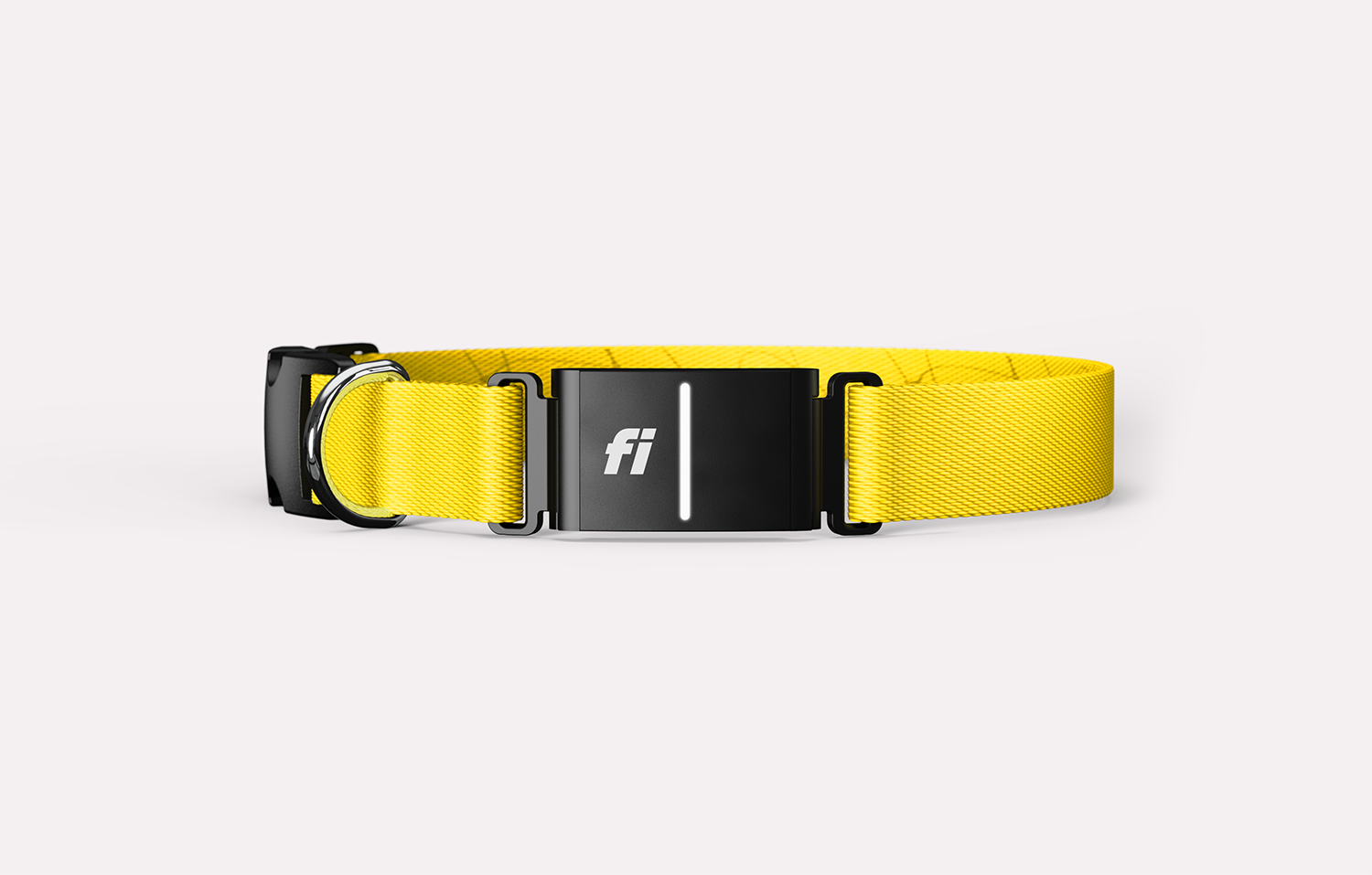
- Fi Series 3+, the same LTE approach with a much longer quoted 6-8 weeks, at a higher price. Useful as the upper bound of what this category claims for itself.
- PitPat 2: steps, distance and calories for under $50 with no subscription. It carries no GPS at all, so it sidesteps the biggest drain in this article instead of managing it. The trade is absolute: it cannot locate a lost pet.
Why does real battery life differ from the claim?
Battery estimates are commonly based on a particular test pattern. That pattern may assume good network coverage, limited location requests, long periods near a home base, or less frequent synchronization. Your dog or cat probably will not reproduce those conditions.
This does not automatically mean the claim is dishonest. Battery life is difficult to reduce to one number because a wearable changes its behavior according to its settings and surroundings. Two owners can use the same device and get noticeably different results.
I treat the stated figure as an indication of the device’s potential under favorable conditions. For planning, I care more about whether the wearable can reliably fit my charging schedule with a sensible buffer.
The features that drain a pet wearable fastest

Frequent location updates
Location tracking is usually one of the largest sources of power use. A tracker that checks or reports position more often has to activate its sensors and radios more often. Live or urgent tracking modes can be particularly demanding compared with normal background monitoring.
This creates a practical trade-off. Faster updates can be helpful when a pet is missing, but keeping the most intensive mode active all day may leave less battery available when it is actually needed. A realistic comparison separates routine battery life from emergency-mode battery life rather than blending them into one result.
Poor cellular or satellite conditions
A wearable may consume more power when it struggles to establish or maintain a connection. Rural paths, dense buildings, underground areas, and places with inconsistent cellular coverage can all change performance. The same tracker may last longer around one home than another simply because the radio has less work to do.
This is also why a quick indoor test does not tell the whole story. A realistic way to assess battery suitability is to include ordinary walks and the places a pet regularly visits.
Leaving the home safe zone
Some wearables use a low-power connection or home zone while the pet is nearby. Once the pet leaves that area, the device may switch to more active location and cellular functions. A dog that spends most of the day at home can therefore produce a very different result from one that joins a daily commute, attends day care, or explores a large property.
When comparing user reports, I look for routines similar to mine. A long runtime reported by an indoor-cat owner may not predict the experience of someone tracking an active outdoor dog.
Extra sensors and synchronization
Activity monitoring, lights, sounds, displays, and frequent app synchronization all require energy. A single feature may not make a dramatic difference, but several enabled features can add up. Phone settings matter too: delayed background synchronization can make an app appear behind, prompting the owner to refresh repeatedly and request more data.
Temperature and battery age
Rechargeable batteries do not behave identically in every environment. Cold conditions can reduce apparent runtime, while repeated charging and normal aging can gradually lower capacity. A tracker that comfortably covered a typical routine when new may need more frequent charging later.
It is therefore more useful to consider battery trends than to judge a device from one unusually good or bad cycle.
How to compare battery life realistically
A single countdown from full to empty is easy to record but not especially representative. A realistic way to assess the wearable is to follow its intended use and keep a simple log over several charging cycles.
Charge the device fully and note when it comes off the charger.
Use normal settings instead of disabling features purely to extend runtime.
Record walks, trips away from the home zone, and any live tracking sessions.
Check the remaining charge at roughly consistent times rather than opening the app constantly.
Repeat the comparison across ordinary days and more active days.
Note whether weak coverage, cold weather, or a software update could have affected a cycle.
The aim is not laboratory precision. It is to find the shortest realistic interval I should plan around. If most cycles are comfortable but active weekends run the battery much lower, I schedule charging before those weekends.
How to compare claims without relying on one headline number
Before choosing a wearable, I look beyond the maximum battery claim and ask practical questions:
Does the estimate assume the pet stays near a home connection for much of the day?
How does the device behave when the pet leaves a safe zone?
Can location frequency be adjusted?
Which mode is used for ordinary tracking, and which is reserved for a missing pet?
Is the charger convenient enough to use regularly?
Does the app provide useful low-battery warnings?
Can the wearable recharge while removed briefly without disrupting the pet’s routine?
Charging convenience deserves nearly as much attention as raw runtime. A device with a modest battery can work well if it charges predictably during a daily rest period. A longer-lasting tracker can still be frustrating if its connector is awkward, its charging status is unclear, or the device is repeatedly forgotten off the collar.
Build in a safety margin

I do not plan to use a tracker until it shuts down. Battery indicators are estimates, and power can fall faster when the wearable suddenly moves from a low-power state into active tracking. Waiting for a nearly empty warning removes the margin that makes the device useful during an unexpected escape.
A repeatable routine is safer than chasing maximum runtime. Depending on how the wearable fits into my week, I might charge it during grooming, while the pet is resting indoors, or before a longer outing. The right schedule is the one I can follow consistently.
When unusually poor battery life needs investigation
If runtime suddenly changes, I first check whether live tracking was left on, location frequency changed, the home zone stopped connecting, or cellular coverage was poor. I also inspect the charging contacts and confirm that the device actually reached a full charge.
Software updates can alter power behavior, and an aging battery may explain a gradual decline. If several normal cycles remain much shorter than the manufacturer’s guidance, I document the settings and usage pattern before contacting support. A clear log is more useful than simply reporting that the battery feels bad.
The practical takeaway
Pet wearable battery claims are most useful as comparison points under stated conditions, not guaranteed results. Real runtime depends on tracking intensity, connectivity, routine, environment, and battery age.
Choose a device whose ordinary runtime leaves room for an active day, then establish a charging habit before you need emergency tracking. For more practical pet-technology guidance, browse the PetTech Lab blog.
礼物灵感与优惠精选
查看所有指南与优惠精选How we research: This guide is based on manufacturer specifications, published independent reviews, and verified-buyer feedback, not hands-on testing.
每周更新宠物科技评测
每周一封邮件,为你带来最新评测和宠物主人真正会买的装备。绝无垃圾邮件,可随时退订。