buyer-guide
Aorkuler GPS Dog Tracker Buying Guide: Is a Subscription-Free Tracker Right for Your Dog?
A detailed look at the Aorkuler GPS Dog Tracker's no-subscription model, real-world trade-offs, and who benefits most from this approach to pet tracking.
Publicado el 2026-09-26 · 9 min de lectura
Traducción no disponible aún — se muestra el artículo original en inglés.
Amazon Associates disclosure
As an Amazon Associate, I earn from qualifying purchases. The price you pay is the same. This guide is based on manufacturer specifications, published independent reviews, and verified-buyer feedback, not hands-on testing.
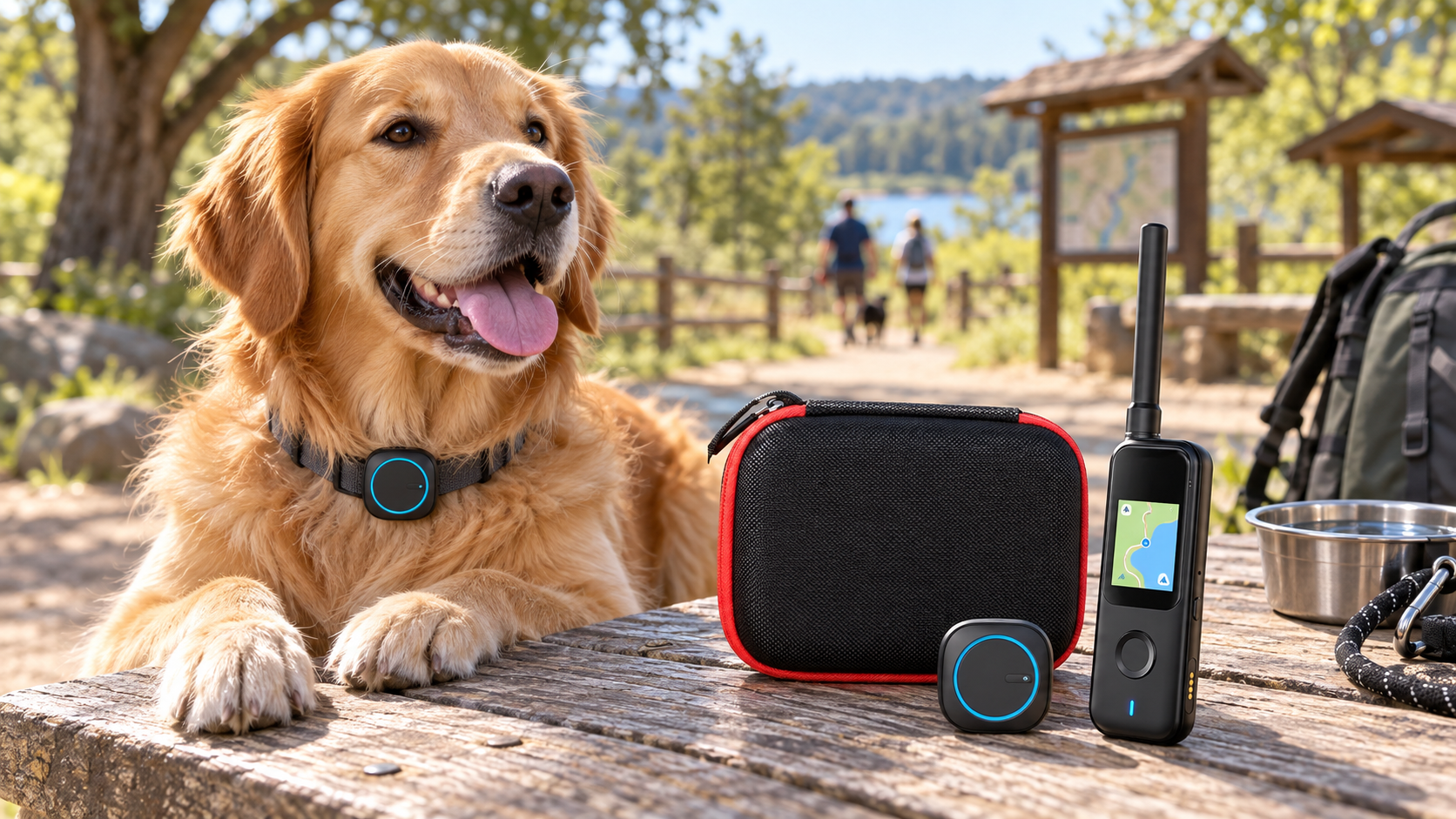
Losing a dog is a nightmare scenario every pet owner hopes never to face. GPS trackers have made it easier to locate a missing pet quickly, but many popular models come with a recurring monthly fee that adds up over the years. The Aorkuler GPS Dog Tracker (View on Amazon) takes a different approach: it promises real-time location tracking without requiring a subscription. This guide walks through what that actually means for you and your dog, where the device excels, where it falls short, and whether it deserves a spot on your pet's collar.
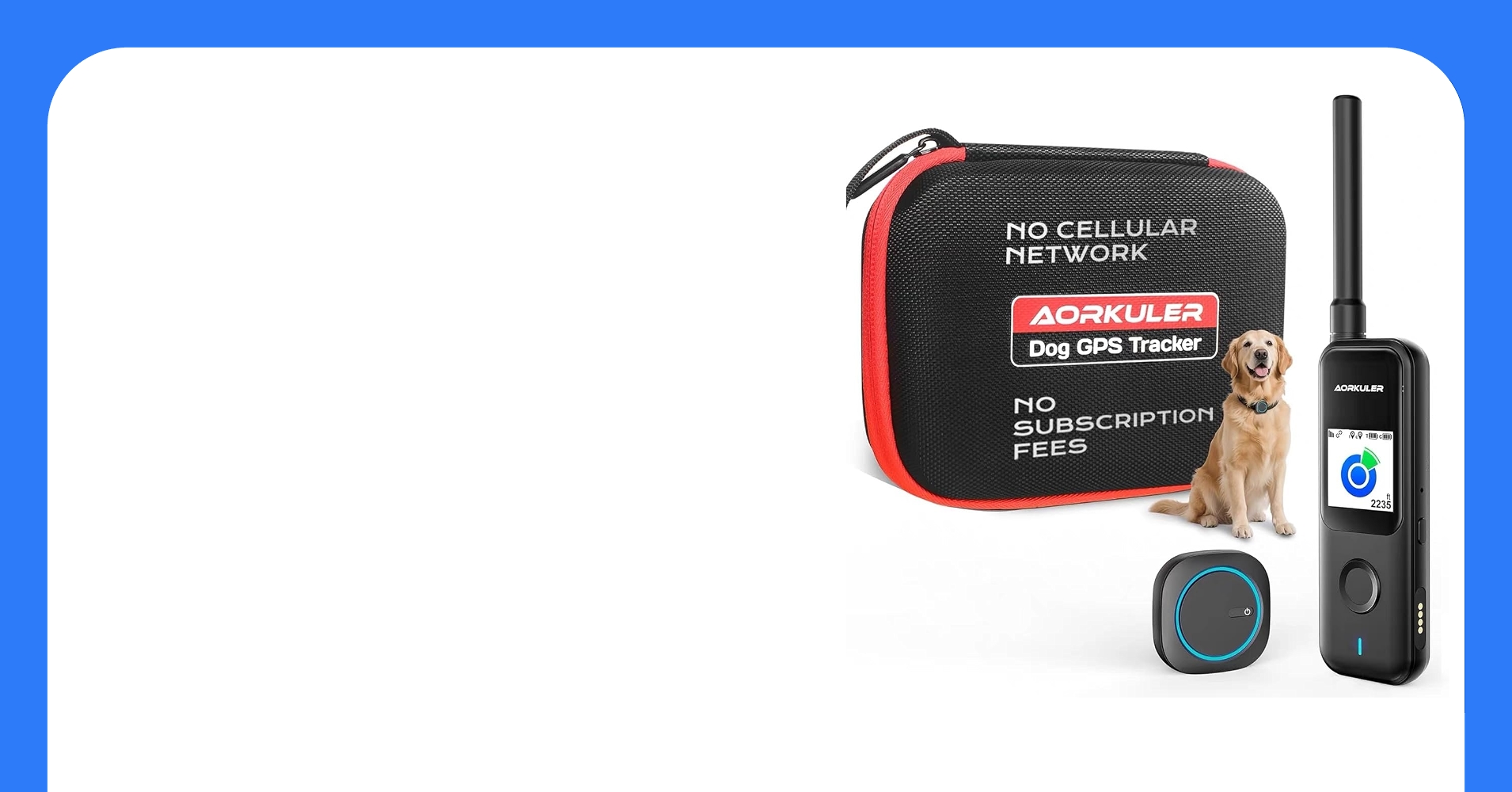
What the Aorkuler GPS Dog Tracker Promises
The Aorkuler positions itself as a straightforward GPS tracking device for dogs. According to the manufacturer's product listing, it offers:
- Real-time GPS location tracking via a companion smartphone app
- No monthly or annual subscription fee — you pay once for the hardware
- Geo-fence alerts that notify you when your dog leaves a designated safe zone
- Location history so you can review where your dog has been
- A compact, collar-mounted form factor designed for dogs of various sizes
The core selling point is simple: buy the device, attach it to your dog's collar, and track their location without ongoing costs. That pitch appeals to anyone tired of subscription fatigue.
How GPS Dog Trackers Work (and Why Subscriptions Exist)
To evaluate whether a no-subscription tracker makes sense, it helps to understand what happens when your dog goes missing and you reach for your phone.
Most GPS dog trackers rely on three layers of technology:
- GPS satellites to determine the device's geographic coordinates
- A cellular network to transmit those coordinates to your phone
- A companion app to display the location on a map
The satellite layer is free — GPS signals are publicly available worldwide. The cellular layer is where costs come in. Traditional subscription-based trackers like Fi, Whistle, and Tractive include an embedded cellular SIM that connects to carrier networks (AT&T, Verizon, or regional equivalents). Those carriers charge the tracker manufacturer for data transmission, and that cost passes to you as a monthly fee, typically ranging from $6 to $15 per month depending on the plan.
No-subscription trackers like the Aorkuler aim to eliminate this recurring cost. The trade-off is that they may use alternative data transmission methods — such as leveraging your phone's Bluetooth connection when nearby, or using lower-cost network protocols — which can affect range, update frequency, and reliability in areas with poor coverage.
Understanding this architecture matters because it directly affects how well the tracker performs when you actually need it: when your dog is lost and possibly far from you.
Key Features to Scrutinize
When evaluating the Aorkuler or any GPS dog tracker, focus on these factors rather than marketing language.
Location Accuracy
GPS accuracy depends on satellite signal quality, which can be affected by tall buildings, dense tree cover, and indoor environments. The Aorkuler uses standard GPS technology, so expect accuracy within a range of roughly 10 to 30 feet under open-sky conditions, which is typical for consumer GPS devices. Dense urban environments and heavy foliage will degrade this, sometimes significantly.
No consumer GPS dog tracker delivers pinpoint accuracy in all conditions. If you live in an area with tall buildings or dense woods, understand that the tracker will show an approximate area rather than an exact spot.
Update Frequency
How often the tracker sends a new location to your app is critical during a search. Subscription-based trackers often update every few seconds to every minute, depending on the plan tier. The Aorkuler's update frequency is listed by the manufacturer as real-time, but the practical interval may vary depending on signal conditions and the connection method used. When evaluating any tracker, check whether the manufacturer specifies a minimum update interval in their documentation.
Battery Life
Battery life is one of the most important practical considerations. A dead tracker on a lost dog is useless. The Aorkuler's battery performance will depend on usage patterns: frequent location updates drain batteries faster than periodic check-ins. Many GPS trackers in this category offer anywhere from two to seven days of battery life under typical use, with significant variation based on how actively you track.
The manufacturer's stated battery life represents an ideal scenario. Real-world performance, especially in areas with weak signals where the device works harder to maintain a connection, may be shorter. Plan to charge the device at least every few days if you want it reliably ready.
Cellular Coverage and Network Reliability
This is where the subscription question becomes most consequential. Subscription-based trackers typically connect to major carrier networks with broad national coverage. The Aorkuler's connectivity approach determines how well it works when your dog wanders into areas with limited signal.
Check whether the manufacturer specifies which networks or technologies the device uses, and whether coverage maps are available for your area. A tracker that works flawlessly in a suburban neighborhood might struggle in rural areas, mountainous terrain, or regions with spotty cellular infrastructure.
Durability and Water Resistance
Dogs swim, roll in mud, run through sprinklers, and generally treat electronics with indifference. Look for an IP rating (Ingress Protection) that indicates water and dust resistance. An IP67 rating, common among quality pet trackers, means the device can survive submersion in water up to one meter for 30 minutes. The Aorkuler's specific IP rating should be verified on the product listing or manufacturer documentation.
Size and Weight
A tracker that's too bulky will bother small dogs and may flop around on a loose collar. The Aorkuler is designed to be compact, but verify the exact dimensions and weight to ensure compatibility with your dog's size and collar type. For dogs under 15 pounds, even an extra ounce matters.
The Subscription vs. No-Subscription Trade-Off
This is the central decision for most buyers considering the Aorkuler. Here's a clear comparison of what each model typically offers.
| Factor | No-Subscription Trackers (like Aorkuler) | Subscription Trackers (Fi, Whistle, Tractive) |
|---|---|---|
| Upfront cost | Device price only | Device price (often discounted) + monthly fee |
| Ongoing cost | $0/month | $6–$15/month |
| Network coverage | Varies by method; may rely on Bluetooth or limited cellular | Broad national carrier coverage (AT&T, Verizon, etc.) |
| Update frequency | Varies; may be less frequent in weak-signal areas | Typically every few seconds to one minute |
| Long-range tracking | Depends on connectivity method | Generally strong due to dedicated cellular connection |
| Feature set | Basic location and geo-fencing | Often includes activity monitoring, health metrics, LED lights, escape alerts |
| Total cost over 2 years | Device price only | Device price + $144–$360 in subscription fees |
| Best for | Budget-conscious owners in areas with good connectivity | Owners who need reliable long-range tracking and advanced features |
The no-subscription model makes strong financial sense if you live in an area with reliable coverage and primarily want basic location tracking. Over two or three years, you save a meaningful amount compared to subscription alternatives.
However, if you live in a rural area, frequently hike with your dog in remote locations, or need the most reliable possible tracking for an escape-prone pet, the subscription model's dedicated cellular connection may justify its cost.
Safety Considerations for GPS Dog Trackers
A GPS tracker is a tool, not a substitute for responsible pet management. Keep these safety points in mind.
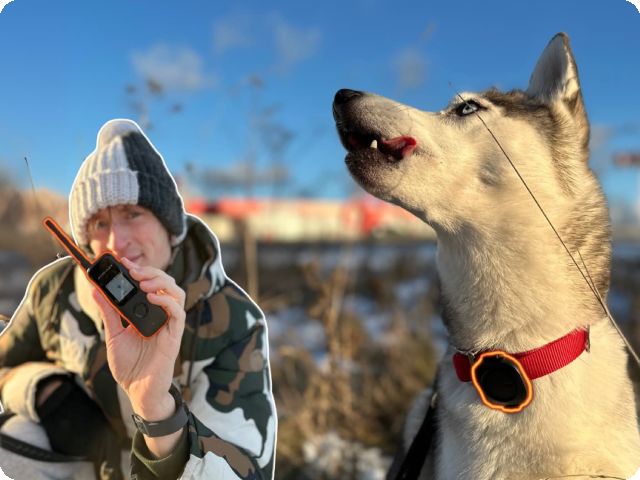
A tracker does not prevent a dog from escaping. Secure fencing, leash training, and recall commands remain your first lines of defense. The American Kennel Club recommends microchipping in addition to any external tracking device, since a microchip cannot fall off or run out of battery (AKC microchipping guidance).
Attachment security matters. A tracker that slips off the collar during a chase is worthless. Verify that the mounting mechanism is secure and check it regularly. Some trackers use proprietary collar clips while others slide onto existing collars. Test the attachment before relying on it.
Avoid trackers with exposed batteries or sharp edges. Dogs chew. Any device on a collar should be designed so that a dog cannot easily access the battery compartment or injure themselves on the housing.
Radiation exposure. GPS and cellular devices emit low-level radiofrequency energy. The levels used by pet trackers are far below established safety thresholds set by regulatory bodies like the FCC. This is not a practical concern for pet health, but it is worth noting for owners who have questions about long-term exposure.
Who Should Consider the Aorkuler
The Aorkuler GPS Dog Tracker makes the most sense for a specific type of pet owner. You are a good fit if you:
- Want GPS tracking without committing to a monthly subscription
- Live in a suburban or urban area with reliable cellular and GPS coverage
- Need basic location tracking and geo-fence alerts rather than advanced health monitoring
- Have a dog that is generally well-contained but you want a backup layer of security
- Are on a budget and want to avoid the cumulative cost of subscription services
Who Should Look Elsewhere
The Aorkuler may not be the right choice if you:
- Live in a rural area with spotty cellular coverage and need maximum range reliability
- Have a dog that is a frequent escape artist and requires the most robust tracking available
- Want integrated activity monitoring, sleep tracking, or health metrics bundled with location tracking
- Frequently travel to remote areas where alternative connectivity methods may not work well
- Need sub-minute location updates as a critical safety requirement
For those cases, a subscription-based tracker from a provider with established carrier partnerships may deliver more reliable performance where it counts most.
Realistic Alternatives Worth Comparing
Before committing to the Aorkuler, consider these alternatives depending on your priorities.
If you want the most widely reviewed subscription-based option: The Fi Series 3 uses LTE-M connectivity through major carriers and is one of the most popular GPS dog trackers in the United States. It requires a subscription but offers strong coverage and a well-developed app.
If you want a budget subscription option: Tractive offers lower monthly fees than many competitors and is available in multiple countries, making it a solid choice for international travelers.
If your primary concern is a lost indoor/outdoor cat or a dog that rarely leaves your property: An Apple AirTag or Tile tracker might suffice. These use Bluetooth and crowdsourced network location (Apple's Find My network for AirTag) rather than GPS. They are cheaper, have longer battery life, and require no subscription, but they depend on proximity to other devices in the network and do not provide true real-time GPS tracking.
If you want GPS tracking with no subscription and are willing to sacrifice some features: The Aorkuler occupies this specific niche. Evaluate it against your actual needs rather than the feature lists of subscription products you may not need.
What to Verify Before You Buy
Because product specifications can change and retailer listings may not always reflect the latest firmware or hardware revisions, verify these details directly from the manufacturer or current Amazon listing before purchasing.
- Current subscription status. Confirm that no subscription is currently required and that this policy has not changed. Some devices launch subscription-free and add fees later.
- Compatibility with your phone. Check that the companion app works with your phone's operating system version.
- Return policy. A GPS tracker's real-world performance depends heavily on your specific environment. A reasonable return window lets you test coverage in your area.
- Warranty terms. Understand what is covered and for how long, especially regarding battery degradation.
- Customer support availability. If the device has connectivity issues, responsive support can make the difference between a useful tool and a frustrating paperweight.
The Bottom Line
The Aorkuler GPS Dog Tracker (View on Amazon) addresses a real frustration: the ongoing cost of GPS pet tracking. For dog owners in well-covered areas who want basic location tracking and geo-fencing without a monthly bill, it offers a straightforward value proposition. The trade-offs — likely less frequent updates, potentially narrower coverage, and fewer bundled features compared to subscription competitors — are worth weighing honestly against your specific needs.
No single tracker is right for every dog and every owner. Match the device to your environment, your dog's behavior, and your tolerance for ongoing costs. And regardless of which tracker you choose, keep your dog microchipped, ensure their collar fits securely, and treat the tracker as one layer in a broader approach to keeping your pet safe.