gps-trackers
¿El mejor rastreador GPS para perros sin suscripción? La verdad honesta sobre por qué existen las cuotas
Un rastreador GPS para perros sin suscripción suena genial hasta que descubres por qué el GPS real necesita una cuota. Aquí tienes el desglose honesto de cada opción con y sin tarifa.
Publicado el 2026-06-13 · 11 min de lectura
Amazon Associates disclosure
As an Amazon Associate, I earn from qualifying purchases. The price you pay is the same. This guide is based on manufacturer specifications, published independent reviews, and verified-buyer feedback, not hands-on testing.
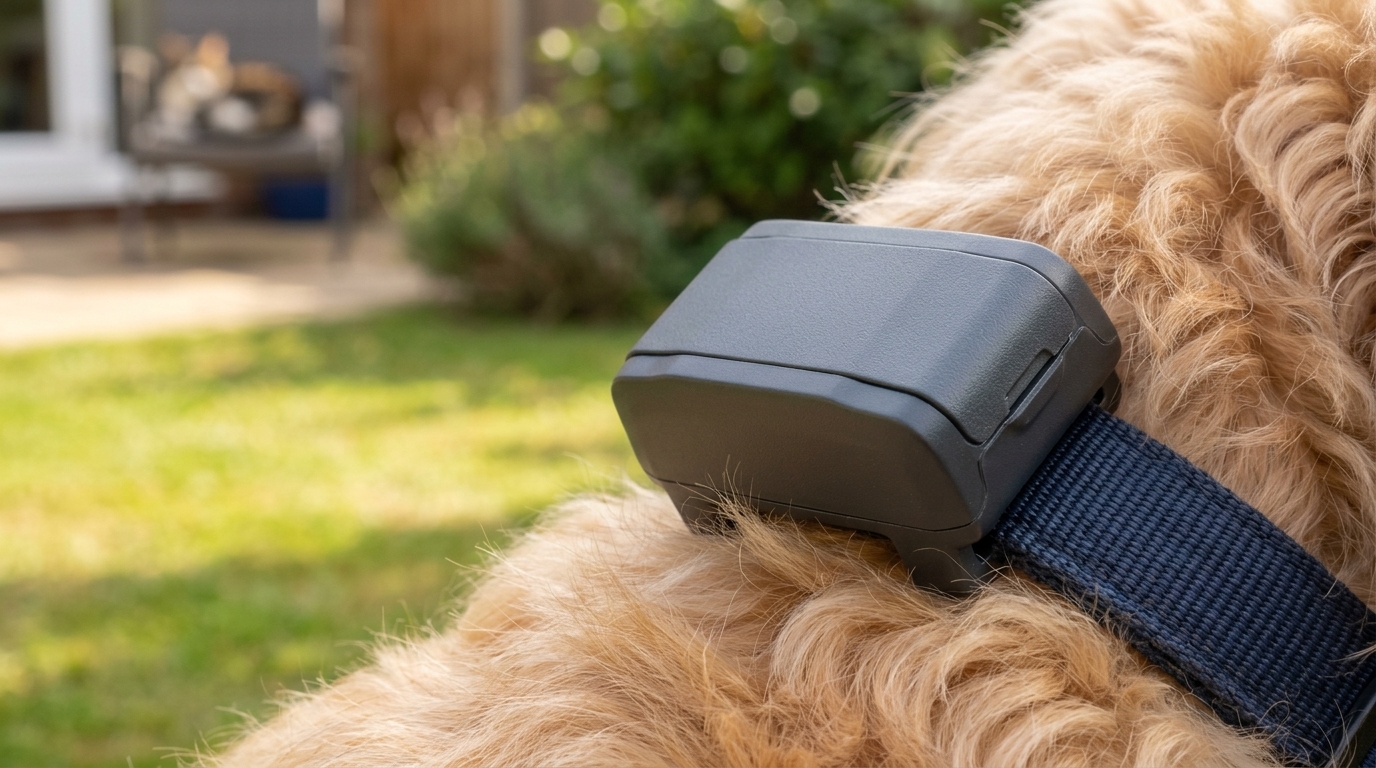
TL;DR
- El GPS real que encuentra a tu perro en cualquier lugar necesita una SIM celular, y los datos móviles son el motivo por el que casi todo rastreador GPS real cobra una suscripción. No hay forma de evitar esa realidad técnica.
- "Sin suscripción" significa honestamente una concesión: un localizador Bluetooth (AirTag — no es GPS real), un sistema de radio de alcance limitado (Aorkuler) o un rastreador con SIM de por vida que solo sirve en el Reino Unido (PitPat).
- Para la mayoría de los dueños que quieren rastreo en vivo en cualquier sitio, el Tractive DOG 6 es la opción de GPS real más barata — aceptando su pequeño plan anual. El Apple AirTag es un honesto respaldo urbano, y el Aorkuler 2 es solo para excursiones fuera de la red celular.
Como Asociado de Amazon, gano por las compras realizadas a través de los enlaces en esta reseña. Esto no cambia el precio que pagas. Esta guía se basa en las especificaciones del fabricante y reseñas independientes publicadas, no en pruebas prácticas personales de cada dispositivo.
Quieres mantener a tu perro a salvo, has visto los rastreadores, y de repente te topas con el muro con el que todos chocamos: una cuota mensual, para siempre, sumada al precio del aparato. Así que empiezas a buscar un rastreador GPS para perros sin suscripción, con la esperanza de que exista un dispositivo de pago único que simplemente funcione. Aquí tienes la verdad antes de gastar un centavo: casi todos los rastreadores GPS reales para perros cobran una suscripción, y no es una estafa. Es simplemente cómo funciona la tecnología. Más abajo te explico por qué existe la cuota, y luego desgloso las verdaderas opciones sin tarifa, qué hace cada una y cuándo tienen sentido. Algunas realmente valen la pena comprarlas. Ninguna ofrece GPS gratuito en cualquier lugar, y te mostraré por qué.
¿Por qué los rastreadores GPS para perros cobran una suscripción?
Aquí está la parte que las fichas del producto te omiten. Un rastreador GPS para perros no solo lee los satélites. Tiene que enviar esa ubicación a tu teléfono, desde el lugar exacto donde esté tu perro. Para hacerlo desde cualquier sitio, el rastreador lleva una pequeña SIM celular, exactamente igual que la de tu teléfono, y se conecta a la red móvil. Esos datos móviles le cuestan dinero al fabricante cada mes, por cada dispositivo, para siempre. La suscripción es lo que paga ese costo.
Esa es toda la historia. Si un dispositivo promete ubicación en vivo donde sea que tu perro ande, está usando datos móviles, y alguien le está pagando a la operadora. Quita la suscripción y eliminas la conexión celular, lo que te deja con una de estas tres opciones: un localizador Bluetooth que solo funciona cerca de otros teléfonos, un sistema de radio que requiere un receptor de mano y línea de visión directa, o un rastreador que pre-pagó el costo celular integrando una "SIM de por vida" en un precio de compra más alto. No existe una cuarta opción mágica donde el GPS real sea ilimitado y gratuito.
Así que la pregunta honesta no es "¿cómo evito la cuota?", sino "¿necesito realmente GPS para cualquier lugar? Y si es así, ¿cuál es la cuota más baja con la que puedo vivir?". Vamos a comparar las opciones.
¿Cómo se comparan realmente las opciones?
Así se dividen las principales opciones: qué son en realidad, qué cuestan por adelantado y a largo plazo, y para quién es realmente cada una. Los precios son aproximados, en USD, a junio de 2026; verifica el precio actual antes de comprar.
| Rastreador | Tipo de tecnología | Suscripción | Hardware | Alcance | Ideal para |
|---|---|---|---|---|---|
| Tractive DOG 6 | GPS celular (LTE) | ~$69.99 | Ilimitado (175+ países) | La mayoría de dueños que quieren rastreo en vivo global | |
| Fi Series 3+ | GPS celular (LTE) | ~$149 | Ilimitado | Dueños que quieren la mejor batería + app, sin importar el costo | |
| Apple AirTag | Bluetooth (Find My) | Ninguna ($0) | ~$29 | ~100m, solo cerca de iPhones | Respaldo urbano barato — no es GPS real |
| Aorkuler 2 | Radiofrecuencia (RF) | Ninguna ($0) | ~$249 | ~3.5 km, línea de visión | Excursionismo fuera de la red, sin cobertura celular |
| PitPat | GPS celular + SIM de por vida | Ninguna ($0, incluida) | ~£149 (UK) | Depende de la cobertura (32+ países) | Dueños en el Reino Unido con buena cobertura móvil |
| Garmin Astro 430 | Radiofrecuencia (RF) | Ninguna ($0) | ~$599–649 | ~9 millas, línea de visión | Perros de caza — exagerado para mascotas |
¿Notas el patrón? Cada fila con "$0 de suscripción" lo paga de alguna otra manera, ya sea un límite de alcance Bluetooth, un precio inicial de $249–$649, un receptor manual o dependencia de la señal. A dos años vista, el GPS real más barato para cualquier lugar sigue siendo la suscripción celular. Ahora, los detalles.
¿Qué rastreadores con suscripción valen la pena pagar?
Estos son los rastreadores que realmente hacen lo que la mayoría de los dueños imagina: un punto en vivo en un mapa, donde sea que vaya tu perro, con una alerta en el instante en que sale del patio.
Tractive DOG 6 — el GPS real más barato y mi principal recomendación
El Tractive DOG 6 es el dispositivo a vencer en costo. El hardware cuesta unos $69.99, y el plan cuesta aproximadamente entre $5 y $9 al mes dependiendo de tu compromiso, unos $60 a $108 al año (Planes de Tractive). Por eso obtienes un GPS real más red celular LTE en más de 175 países, actualizaciones de ubicación desde cada pocos segundos hasta cada par de minutos, resistencia al agua IP68, cercas virtuales con alertas de escape, y monitoreo de actividad y ritmo cardíaco. Pesa alrededor de 39–40 gramos (Especificaciones de Tractive).
Los dueños lo respaldan. En su perfil de Trustpilot, con más de 53.000 reseñas y casi cuatro estrellas, los elogios recurrentes son exactamente por lo que uno compra un rastreador. Un dueño lo describió como un "salvavidas cuando mi perro se escapó, lo encontré en minutos con la alerta de sonido", y los críticos repetidamente lo llaman el mejor GPS económico por su precisión y tranquilidad (Reseña de Dogster). Las quejas honestas, reportadas en SafeWise y Trustpilot, tienen que ver con la durabilidad: una tapa de puerto de carga que se cayó y dejó entrar agua, y un clip que a veces enredaba el pelaje largo. La batería dura hasta dos semanas con zonas de ahorro de energía, pero se agota rápido en el modo en vivo, así que un perro que estés rastreando activamente necesitará carga cada pocos días.
Veredicto honesto: si quieres GPS para cualquier lugar y no quieres pagar de más, este es. Sí, tiene suscripción, pero es la más pequeña de la categoría, y ese es el true que haces por un rastreo que funcione donde sea que tu perro termine. Para ver una comparativa directa contra la opción premium, echa un vistazo a nuestra comparación entre Tractive y Fi Series 3.
Fi Series 3+ — la mejor batería y app, por dos o tres veces el costo
La Fi Series 3+ es la opción premium, y en parte se lo ha ganado. El hardware cuesta unos $149, y el plan se renueva a aproximadamente $19 a $25 al mes, unos $189 a $339 al año tras el primer año, más una tarifa única de activación. Eso es de dos a tres veces el costo de Tractive. La unidad Series 3+ pesa unos 47 gramos.
Lo que obtienes por ese dinero es real. Los reseñistas de Hepper, Rebarkable y GearJunkie coinciden consistentemente en que tiene la mejor duración de batería de la categoría, publicitada hasta tres meses, aunque de forma realista son de seis a ocho semanas; baja a dos o tres semanas en el Lost Dog Mode. Además, ofrece una app muy pulida, carga inalámbrica y una calificación de 4.7 estrellas en el propio sitio de Fi. Las quejas son igualmente consistentes: la suscripción es alta en comparación con Tractive, las afirmaciones de la batería son exageradas frente al uso real, y la precisión sufre donde la cobertura es débil.
Veredicto honesto: Fi es la decisión correcta solo si la duración de la batería y lo pulido de la app te importan más que el dinero. Para la mayoría de los perros, estás pagando el doble o el triple solo por un intervalo de carga más largo. Si tu perro es pequeño, ten en cuenta que Fi dirige a los perros muy pequeños a su modelo Mini.
¿Qué te dan realmente las opciones sin suscripción?
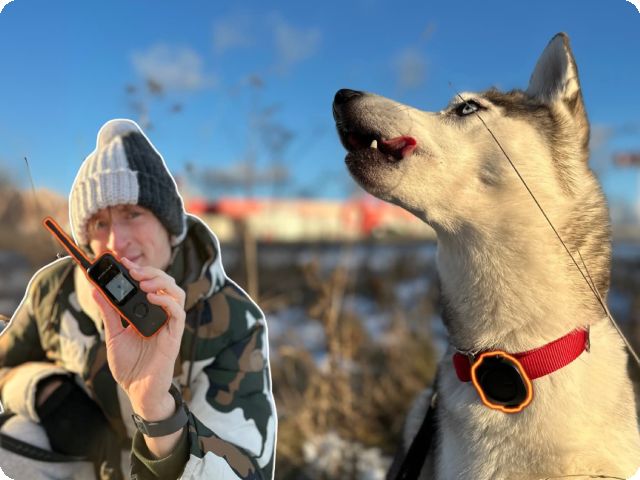
Ahora, la parte por la que viniste. Cada uno de estos no cobra tarifa mensual, y cada uno cambia esa cuota por una limitación real. Lee la limitación, no solo el precio.
Apple AirTag — un honesto respaldo urbano, no un GPS real
Seamos precisos con lo que el Apple AirTag es, porque el marketing lo difumina. Cuesta unos $29, pesa más o menos 11 gramos, dura aproximadamente un año con una pila de botón reemplazable y no cobra ninguna suscripción. Pero es Bluetooth, no GPS. No tiene conexión celular ni satelital propia. Reporta su ubicación solo cuando pasa a unos 100 metros del iPhone de otra persona, aprovechando la red comunitaria Find My de Apple (Apple).
Esa diferencia lo determina todo. En una ciudad densa, donde hay iPhones por todas partes, un AirTag puede encontrar a un perro callejero sorprendentemente bien como respaldo económico. Wirecutter y otros son claros al decir que pierde utilidad en el momento en que tu perro esté en un lugar rural o remoto sin teléfonos cerca, simplemente porque no hay nada con lo que comunicarse. Nunca te mostrará el rastro en vivo de un perro corriendo por un campo.
Veredicto honesto: compra un AirTag como una póliza de seguros de $29 para un perro de ciudad, o como un respaldo sujeto al collar junto a un rastreador real. No lo compres esperando que reemplace al GPS de un perro que se aleja del alcance. Si tu perro es principalmente casero, vale la pena leer nuestro análisis más profundo sobre cuándo un AirTag es suficiente frente a un rastreador GPS antes de gastar más.
Aorkuler GPS Dog Tracker 2 — la opción fuera de la red, con un "pero"
El Aorkuler GPS Dog Tracker 2 es la respuesta real para un dueño muy específico: el excursionista o paseante rural con cero cobertura celular. Cuesta unos $249 por el set completo (una unidad de collar más un receptor manual) y nunca cobra suscripción, porque usa rastreo por radiofrecuencia en lugar de celular. La unidad del collar pesa unos 30.6 gramos y ofrece un alcance de 3.5 km en terreno abierto y con línea de visión directa, con actualizaciones cada pocos segundos y sin necesidad de app ni Wi-Fi (Aorkuler).
Tiene sus seguidores. Un perfil en Trustpilot con miles de reseñas tiene aproximadamente un 72% de calificaciones de cinco estrellas, elogiándolo por la "verdadera independencia del GPS" fuera de la red. Pero los inconvenientes también importan: la batería del collar solo dura unas 24 horas de rastreo continuo, por lo que requiere carga diaria en viajes largos; el alcance se desploma en bosques densos; hay un retraso en el bloqueo del GPS en lugar de una fijación instantánea; algunos dueños reportan que las unidades fallan tras 8–12 meses; y lo más importante, no tiene Lost Dog Mode ni alerta automática de escape, así que tienes que estar mirando activamente el receptor manual.
Veredicto honesto: para uso fuera de la red, con línea de visión y donde ningún rastreador celular funciona, Aorkuler es la única opción y es justa. Para la seguridad cotidiana de un perro urbano o suburbano, el receptor manual y la batería de 24 horas lo convierten en la herramienta equivocada.
PitPat — genuinamente sin mensualidad, pero exclusivo del Reino Unido
PitPat es lo más cercano a un almuerzo gratis, y vale la pena entender por qué no lo es. El rastreador GPS PitPat usa GPS celular con alcance ilimitado y actualizaciones en vivo cada diez segundos más o menos, pero integra una SIM de por vida en el precio de compra (unas £149 en el Reino Unido), por lo que no hay suscripción mensual. La unidad pesa unos 30 gramos, incluye carga inalámbrica y abarca más de 32 países.
El problema es doble. Primero, está centrado en el Reino Unido. Los precios y la disponibilidad fuera del Reino Unido no están claros, y no encontré un precio confirmado para EE. UU. ni un listado en Amazon EE. UU., así que los dueños americanos deberían considerarlo prácticamente no disponible por ahora. Segundo, como sigue siendo celular, depende de la cobertura móvil, y los dueños de PitPat señalan específicamente huecos de cobertura en lugares como Gales, Escocia y Cornualles. Su política de devolución "sin objeciones" sugiere que la empresa sabe que la cobertura es el factor decisivo.
Veredicto honesto: si estás en el Reino Unido con una cobertura móvil sólida, PitPat es un rastreador GPS legítimamente sin cuotas y la mejor respuesta a "sin suscripción". En el resto del mundo, todavía no es una opción práctica.
Garmin Astro 430 — omitirlo, es un equipo de caza
Verás el Garmin Astro 430 en listas de "sin suscripción", y técnicamente califica. Es un sistema de radiofrecuencia sin tarifa obligatoria y con un enorme alcance de nueve millas. Pero está construido para equipos de caza, no para mascotas. Cuesta unos $599–649 con collar, necesita un receptor de mano, y el collar T5 pesa unos 264 gramos, un peso excesivo para un perro mascota típico. Es una herramienta profesional que cuesta aproximadamente de ocho a diez veces el precio de Tractive.
Veredicto honesto: a menos que estés rastreando perros de caza a campo traviesa, esto es matar moscas a cañonazos en precio, peso y complejidad. Para una mascota familiar, omítelo por completo.
¿Qué pasó con Whistle y por qué es importante?
Merece un breve y honesto paréntesis, porque es el argumento más fuerte para entender lo que estás comprando. El Whistle Go Explore era un rastreador popular, y fue descontinuado el 31 de agosto de 2025. Tractive adquirió Whistle a Mars Petcare en 2025, y los dispositivos más antiguos dependientes de 3G se apagaron cuando esa red quedó obsoleta. A los dueños afectados se les ofreció un reemplazo gratuito de Tractive (Engadget).
La lección no es "evita las suscripciones". Es que cualquier rastreador atado a una red o a la nube de una empresa conlleva un riesgo de descontinuación. Si la operadora elimina una red o el fabricante quiebra, el hardware puede dejar de funcionar sin que sea tu culpa. Esa es una razón más para favorecer a un fabricante saludable en una red actual, y para mantener la forma más permanente de identificación, un microchip, debajo de lo que le pongas en el collar.
¿Cuándo vale la pena una suscripción y cuándo no?
Eliminando el ruido, todo se reduce a tu perro y a tu geografía.
Vale la pena pagar una suscripción cuando tu perro anda suelto, sale disparado o tiene historial de escape; cuando quieres una alerta automática al segundo de salir de una zona segura; cuando va a lugares que no puedes predecir; y cuando hay cobertura celular donde se mueve. En ese caso, la cuota compra lo único que ninguna opción gratuita entrega: un punto en vivo en cualquier lugar. Paga la cuota más baja que puedas, lo que significa Tractive para la mayoría, o Fi si la batería y lo pulido de la app justifican la prima para ti.
No pagar suscripción es la decisión correcta cuando tu perro va con correa por la ciudad y solo quieres un seguro barato de respaldo (AirTag), o cuando caminas fuera de la red donde no hay señal celular (Aorkuler), o cuando eres un dueño en el Reino Unido con excelente cobertura y quieres un rastreador celular sin cuotas (PitPat). En cada uno de esos casos estás aceptando un límite (ya sea de alcance, de cobertura o de que "es un respaldo, no un rastreador") a cambio de no pagar nunca una factura mensual.
El veredicto — ¿cuál deberías comprar realmente?
En resumen: si quieres un GPS global para un perro que deambula, acepta la cuota y compra el Tractive DOG 6. Es la opción de GPS real más barata y la suscripción es la más baja de su categoría. El Apple AirTag es un honesto respaldo urbano de $29, no un reemplazo del GPS. El Aorkuler 2 es solo para excursiones fuera de la red celular. PitPat es una verdadera opción sin cuotas, pero solo si estás en el Reino Unido. Omite Garmin a menos que seas cazador, y por supuesto, no compres un Whistle descontinuado.
Para el perro que se escapa, deambula o va a lugares que no puedes predecir: el Tractive DOG 6. La suscripción es inevitable, pero es el precio de un rastreo que funciona wherever your perro termine, y a unos $60–108 al año es lo mínimo que puedes pagar por ello.
Para el perro de ciudad con correa, o como respaldo barato: el Apple AirTag, teniendo claro que funciona con Bluetooth y red comunitaria, no con GPS. Para el excursionista fuera de la red: el Aorkuler 2, asumiendo que requiere receptor de mano y carga diaria.
Una última nota práctica. Cada rastreador GPS y celular transmite la ubicación de tu perro de forma continua, y ese historial se almacena en la nube del proveedor vinculado a tu cuenta. Es el precio del rastreo en vivo, pero siguen siendo tus datos, así que dedícale un minuto a la política de privacidad de cada empresa para ver cómo se guarda el historial de ubicaciones, cuánto tiempo se conserva y con quién se comparte antes de comprometerte.
Preguntas frecuentes
¿Por qué los rastreadores GPS para perros necesitan suscripción? Porque un rastreador GPS real informa la ubicación de tu perro desde cualquier lugar usando una SIM celular, los mismos datos móviles que usa tu teléfono. Esa conexión de datos le cuesta dinero al fabricante cada mes, por lo que cobran una suscripción para cubrirlo. Sin suscripción no hay datos celulares, lo que significa que no hay rastreo real en cualquier lugar, solo Bluetooth de corto alcance o radio por línea de visión.
¿Existe realmente un rastreador GPS para perros sin suscripción? Más o menos, con advertencias. PitPat integra una SIM celular de por vida en su precio de compra para que no haya tarifa mensual, pero está centrado en el Reino Unido y solo funciona donde hay cobertura móvil. Los sistemas de radiofrecuencia como Aorkuler y Garmin no cobran cuotas, pero tienen alcance limitado y necesitan receptor manual. Los localizadores Bluetooth como AirTag no cobran, pero no son GPS reales. No hay almuerzo gratis: cambias la cuota por un límite en algún lado.
¿Un AirTag sirve como GPS para perros? No, no como GPS real. Un AirTag usa Bluetooth y la red comunitaria Find My de Apple, así que solo actualiza su ubicación cuando pasa cerca del iPhone de alguien. En una ciudad muy poblada puede funcionar como respaldo económico, pero Wirecutter y otros expertos dejan claro que no es confiable para un perro que deambula por áreas rurales o remotas sin teléfonos cerca. Es un buscador de objetos, no un rastreador para un perro que se aleja del alcance.
¿Es Tractive o Fi más barato a largo plazo? Tractive, por amplio margen. El hardware de Tractive cuesta unos $69.99 y su plan va de $5 a $9 al mes, o de $60 a $108 al año. La Serie 3+ de Fi cuesta unos $149 y su plan va de $19 a $25 al mes, o de $189 a $339 al año (de dos a tres veces el costo de Tractive). El atractivo de Fi es la batería y la app, no el precio.
¿Qué pasó con Whistle? El Whistle Go Explore se descontinuó el 31 de agosto de 2025. Tractive adquirió Whistle a Mars Petcare en 2025, y los dispositivos más antiguos dependientes de 3G se apagaron cuando la red quedó obsoleta; a los dueños afectados se les ofreció un reemplazo gratuito de Tractive. Es un excelente recordatorio de que cualquier rastreador en la nube o basado en suscripción conlleva un riesgo de descontinuación si la empresa o la red cambian.